

Synopsis
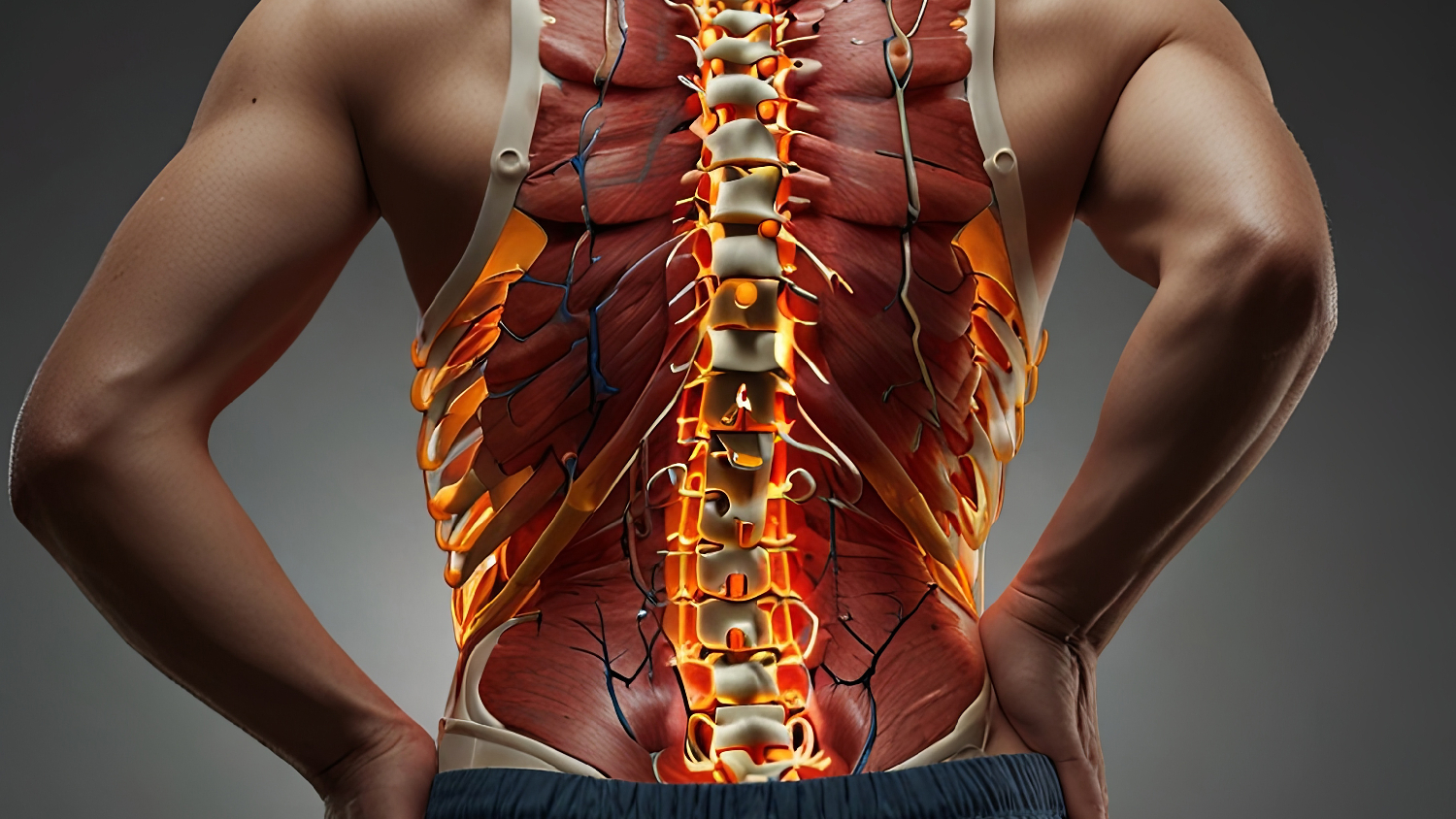
Behind every strong, pain-free back is a group of small but mighty muscles known as the multifidus. This guide delves into the anatomy of the spine’s “natural brace” and explains why traditional core workouts often fail to activate these critical stabilizers. We detail the importance of strengthening of spinal muscles and how these deep tissues provide the essential foundation for spinal stability. By focusing on the multifidus, patients can achieve a level of protection that prevents future injuries and slows degenerative changes. We explore how spinal physiotherapy moves beyond the surface “six-pack” muscles to target the spine’s true support system. Understanding the role of spine specialist physical therapy is the first step toward building a resilient back. We highlight how specialized programs provide the ultimate back pain prevention strategy by reinforcing the body’s internal architecture.
Table of Contents
- Meet the Multifidus- The Spine's Most Important Muscle
- The Concept of the Natural Brace- How It Protects Your Discs
- Why Standard Core Exercises Often Miss the Mark
- The Science of Strengthening of Spinal Muscles for Stability
- Spinal Physiotherapy- Targeting the Deep Tissue Layer
- Back Pain Prevention- Building a Shield Against Degeneration
- The Orthocure Advantage- MedX and the Isolation of the Multifidus
- Partnering with Orthocure for a Structurally Sound Spine
Meet the Multifidus- The Spine's Most Important Muscle
The multifidus is a series of small, triangular muscle bundles that run along the entire length of the spine, connecting the vertebrae to one another. While the larger back muscles are responsible for moving the trunk, the multifidus is responsible for spinal stability . It acts as a “sensor” for the brain, making micro-adjustments to keep the spinal segments in perfect alignment. In people with chronic back pain, these muscles often “switch off” or atrophy, leaving the spine vulnerable to injury.
The Concept of the Natural Brace- How It Protects Your Discs
Think of the multifidus and the transversus abdominis as a biological “corset” or a natural brace. When these muscles are strong and active, they compress the abdominal cavity and provide a rigid support system for the vertebrae. This reduces the mechanical load on the spinal discs by up to 40%. Strengthening of spinal muscles is, therefore, the most effective way to protect your discs from the daily stresses of lifting, sitting, and twisting.
Why Standard Core Exercises Often Miss the Mark
Many people believe that doing sit-ups or planks will protect their back. However, these “global” exercises primarily target the large, superficial muscles like the rectus abdominis. If the deep multifidus is weak, the larger muscles will “cheat” to complete the movement, leaving the spine itself unsupported. Specialized spinal physiotherapy is required to re-learn how to isolate and activate these deep stabilizers before progressing to heavier loads.
The Science of Strengthening of Spinal Muscles for Stability
True spinal stability comes from muscle endurance, not just peak strength. The multifidus is composed primarily of “slow-twitch” fibers designed to work for long periods. Strengthening of spinal muscles protocols at Orthocure focus on low-intensity, high-repetition isometric holds. This trains the nervous system to keep the “natural brace” active throughout the day, ensuring the spine is protected even when you aren’t thinking about your posture.
Spinal Physiotherapy- Targeting the Deep Tissue Layer
A spine specialist physical therapy approach uses specific tactile cues and ultrasound imaging to ensure the multifidus is firing correctly. By focusing on the deep tissue layer, we can reverse the muscle wasting that often follows an episode of acute back pain. This is a critical step in spinal physiotherapy ; if these muscles aren’t “re-booted,” the pain is almost guaranteed to return.
Back Pain Prevention- Building a Shield Against Degeneration
The best treatment for back pain is to never have it in the first place. Back pain prevention is largely a matter of maintaining the integrity of your natural brace. As we age, the discs naturally lose hydration; however, a strong multifidus keeps the vertebrae spaced correctly, preventing the bone-on-bone friction that leads to arthritis and stenosis. Investing in your spinal strength today is an investment in your mobility twenty years from now.
The Orthocure Advantage- MedX and the Isolation of the Multifidus
At ORTHOCURE CLINICS AND GYMS, we utilize the MedX, USA technology to solve the problem of muscle “cheating.” The MedX Lumbar Extension machine uses a patented restraint system that locks the pelvis in place, making it impossible for the glutes and hamstrings to help. This forces the multifidus to do 100% of the work. It is the only medical technology that can objectively measure the strength of these deep muscles and provide the precise strengthening of spinal muscles needed for a truly stable spine.
Partnering with Orthocure for a Structurally Sound Spine
Don’t rely on a “brace” you buy at a pharmacy; build the one you were born with. Our services are dedicated to restoring the internal support your spine needs to thrive. By combining spinal physiotherapy with advanced isolation technology, we provide the ultimate solution for back pain prevention and long-term health. Partner with Orthocure and build a foundation of strength that lasts a lifetime.
FAQs
Why haven't I heard of the multifidus muscle before?
Because it is a deep muscle, it isn’t visible like a “six-pack.” However, in the world of spine specialist physical therapy , it is considered the most important muscle for back health. Most general fitness programs overlook it, which is why even “fit” people can suffer from chronic back pain.
Can I strengthen the multifidus at a regular gym?
It is very difficult. In a regular gym, larger muscles like the erector spinae or the glutes will usually take over the movement. Spinal muscle strengthening requires the specific isolation provided by clinical protocols or specialized equipment like MedX to ensure the deep stabilizers are actually doing the work.
How long does it take to rebuild spinal stability?
Muscle physiological changes take time. While you may feel more supported within 2-3 weeks, it typically takes 8 to 12 weeks of consistent spinal physiotherapy to build significant muscle endurance and density in the multifidus.
Is strengthening of spinal muscles safe if I already have a disc bulge?
Yes, and it is actually the best treatment. By increasing spinal stability , you reduce the pressure on the disc, allowing the inflammation to subside. A specialist will ensure the exercises are performed in a “pain-free” range of motion to keep you safe.
How does Orthocure know if my multifidus is getting stronger?
We use the MedX machine’s computerized testing to give us a “strength curve.” This compares your current strength to the norms for your age and gender. This data-driven approach allows us to prove that your back pain prevention program is working and that your natural brace is being restored.