Synopsis
The shift to remote work has transformed the modern kitchen table, sofa, and bed into makeshift offices, triggering an unprecedented rise in chronic musculoskeletal issues. This guide analyzes the biomechanical reality of working from home, exposing how poor laptop setups and unsupportive seating overload the spine. We detail how structural correction at Orthocure Clinics and Strength Studios addresses the structural shifts caused by poor occupational habits, such as a flattened lumbar curve or advanced forward head posture. By moving into a Medical Gym program, remote workers can actively strengthen the postural endurance muscles needed to resist gravity over long shifts. We examine how specialized physiotherapy combines ergonomic modifications with target stretches to intercept repetitive strain injuries. Understanding how to structure your physical workspace alongside your biology is the first step toward lasting neck pain relief. Consistent application of our lifestyle and exercise protocols ensures you remain productive, aligned, and comfortable while working from any environment.
Table of Contents
- The Remote Work Reality- How the Home Office Subverts Our Biology
- The Laptop Trap- Why a Single Device Forces a Chronic Slump
- Ergonomics 101- The Geometric Blueprint of a Spine-Sparing Desk
- The Sitting Disease- Why Even the Best Chair Won't Save an Inactive Spine
- Structural Correction- Unraveling the Seated Postural Collapse
- Specialized Physiotherapy- Movement Breaks and Micro-Stretches for Remote Workers
- The Strength Studio- Building the Postural Endurance to Fight Gravity
- Partnering with Orthocure for a Healthier Workspace and a Stronger Body
The Remote Work Reality- How the Home Office Subverts Our Biology
Human beings are inherently designed for movement, yet the remote work revolution has confined many to static, unergonomic positions for hours at a time. At Orthocure Clinics and Strength Studios, we have seen a dramatic spike in patients presenting with mid-back burning, jaw tension, and severe neck stiffness. Without the natural boundaries of a traditional office building—such as walking to meeting rooms or commuting—remote workers tend to sit longer, move less, and settle into highly destructive postural patterns.
The Laptop Trap- Why a Single Device Forces a Chronic Slump
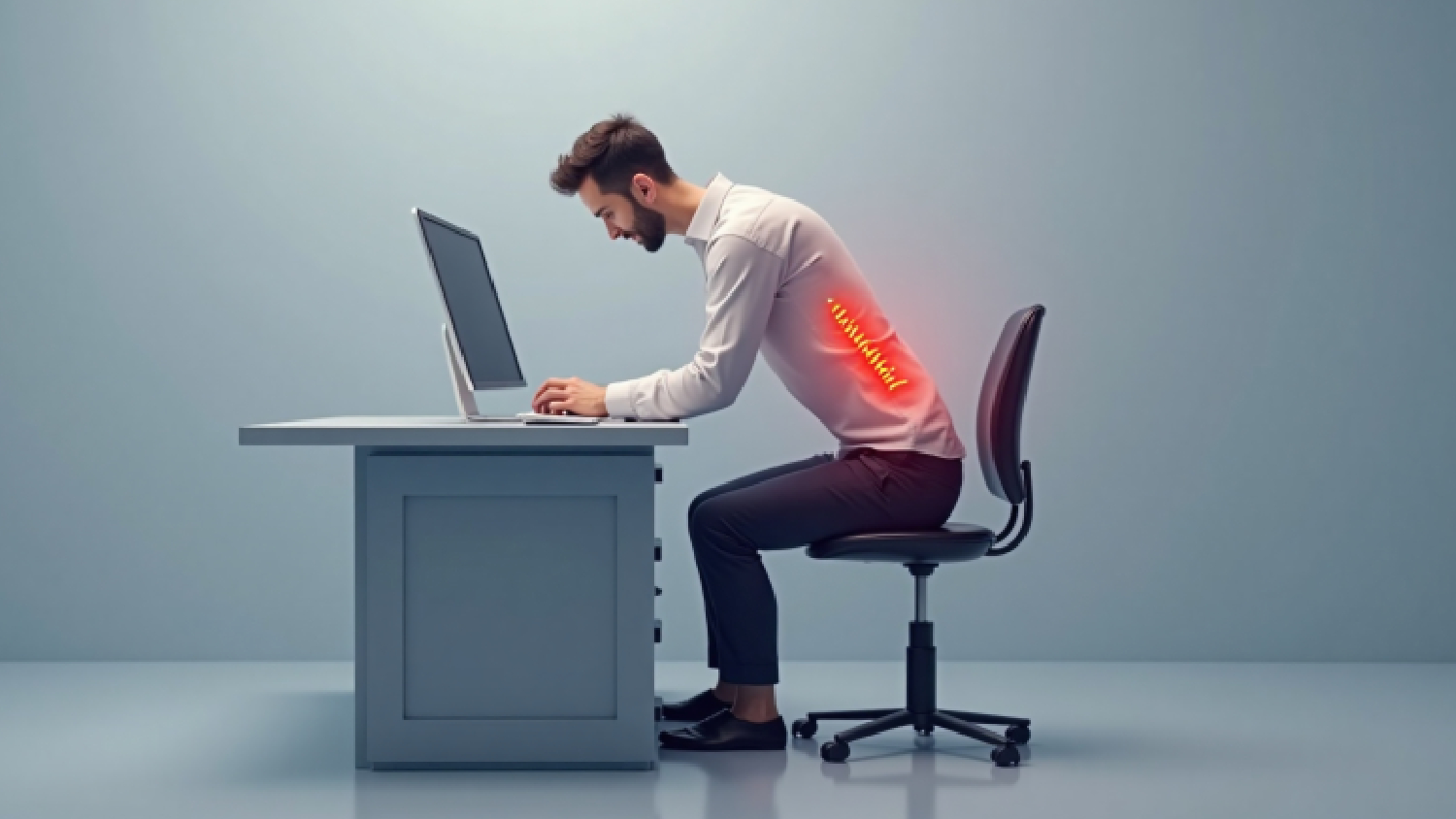
Laptops are engineered for portability, not long-term ergonomic health. Because the screen and keyboard are physically connected, you cannot position the screen at eye level without forcing your hands too high, or keep your hands low without forcing your eyes downward. This design flaw creates “The Laptop Trap,” pulling your head forward, rounding your shoulders, and curving your upper back. This sustained slouch stretches the posterior ligaments and strains muscles, making it a primary driver of the need for neck pain relief .
Ergonomics 101- The Geometric Blueprint of a Spine-Sparing Desk
Fixing your home workspace requires a deliberate geometric strategy. Your elbows should rest comfortably at a 90-degree angle, flat against your desk or armrests, keeping your wrists neutral. Your knees should sit slightly lower than or level with your hips, with your feet resting flat on the floor. Most importantly, the top third of your monitor must align directly with your eye level, approximately an arm’s length away. Achieving this balance typically requires separating your screen from your keyboard using a laptop riser and external peripherals.
The Sitting Disease- Why Even the Best Chair Won't Save an Inactive Spine
Investing in an expensive, high-end ergonomic office chair is an excellent step, but it is not a complete cure. The human spine relies on movement to pump fresh fluid and essential nutrients into its discs. Static sitting, regardless of how supportive your chair is, compresses the lumbar discs and causes your gluteal and core muscles to go dormant. To mitigate this effect, you must pair proper ergonomic support with structured, high-quality physical conditioning in a Medical Gym setting.
Structural Correction- Unraveling the Seated Postural Collapse
When you remain slouched for months, your body adapts by tightening the tissues at the front of your body (the chest and hip flexors) while weakening the muscles at the back. Structural correction at Orthocure works to reverse this systemic adaptation. Our clinicians evaluate your resting alignment and use targeted manual techniques to decompress your joints, opening up your posture so your spine can sit comfortably upright without constant conscious effort.
Specialized Physiotherapy- Movement Breaks and Micro-Stretches for Remote Workers
Our specialized physiotherapy protocols provide remote workers with a clear action plan for their workday. We introduce the concept of “movement snacks”—brief, 2-minute posture resets performed every hour. Simple movements like chest openers, chin tucks, and standing hip flexor stretches act as a biological reset button. These quick interventions interrupt the continuous mechanical strain on your discs, keeping your joints lubricated and significantly reducing work-induced fatigue.
The Strength Studio- Building the Postural Endurance to Fight Gravity
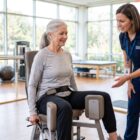
Ergonomics can reduce external stress, but you still need internal strength to hold your body upright. In our Strength Studio , we utilize medical-grade MedX technology to build extreme endurance in your postural muscles, such as the lower trapezius, rhomboids, and deep neck flexors. By training these specific muscles to handle sustained endurance loads, we ensure your frame remains upright and resilient, shielding your cervical spine from pain even during your longest virtual meetings.
Partnering with Orthocure for a Healthier Workspace and a Stronger Body
Your home office should not be a detriment to your physical health. Our comprehensive services at Orthocure Clinics and Strength Studios are designed to help you thrive in the remote work era. By combining detailed ergonomic education, targeted structural correction, and personalized medical strengthening, we help you eliminate chronic discomfort at the source. Partner with Orthocure today and transform your working environment into a space of health, focus, and vitality.
FAQs
Is it better to switch to a standing desk if I work from home?
A standing desk is a valuable tool, but standing statically for eight hours can create its own set of mechanical issues, such as lower back compression and varicose veins. The real secret to spinal longevity is variety. We recommend alternating between sitting and standing every 45 to 60 minutes to keep your circulation active and distribute physical loads across different joint structures.
Why does working from my sofa cause such severe lower back pain?
Sofas are designed for soft relaxation, not structured, productive work. When you sit on a couch with a laptop, your pelvis automatically tilts backward, flattening the natural, protective curve of your lower back. This position forces your lumbar discs to bulge outward against the spinal ligaments, creating deep muscular spasms and significant discomfort.
What is the quickest way to fix "The Laptop Trap" without buying a new desk?
The most efficient, budget-friendly solution is to place your laptop on a thick stack of books or a dedicated laptop riser until the screen is directly at eye level. Then, plug in a separate, external keyboard and mouse on the desk surface below. This simple adjustment immediately separates your eye line from your hand positioning, breaking the chronic slump.
How does a Strength Studio routine help me if my ergonomics are already perfect?
Even with flawless ergonomics, your muscles eventually tire out from holding a single position over several hours. When muscle fatigue sets in, your body naturally shifts its weight onto your passive joints, discs, and ligaments, leading to strain. Training in our Strength Studio builds the vital muscular endurance necessary to maintain that ideal posture effortlessly all day long.
How long will it take to see a visible change in my posture with Orthocure?
Most remote workers report an immediate reduction in muscular tension and a feeling of openness after their first few sessions of specialized physiotherapy and mechanical alignment. Creating permanent postural structural changes and building lasting muscle endurance typically requires a dedicated 8 to 12-week rehabilitation loop in our Medical Gym .