
Synopsis
The human body functions as an integrated kinetic chain, where the feet serve as the primary foundation. This guide explores the fascinating link between foot biomechanics and spinal health, explaining how subtle issues like flat feet or high arches can cause “ascending” pain. We detail why comprehensive physiotherapy for foot and ankle care is often the missing piece in solving chronic back, hip, and knee discomfort. By utilizing advanced gait analysis and custom foot orthotics, patients can achieve true structural correction from the ground up. We explore the role of specialized ankle physio in stabilizing the lower limb and reducing the compensatory strain on the spine. Understanding the importance of a solid foundation is the first step toward long-term musculoskeletal wellness. Consistent application of these foundational protocols ensures that the benefits of your spinal therapy are durable and effective.
Table of Contents
- The Kinetic Chain- How Your Feet Dictate Your Posture
- Common Foot Biomechanical Faults- Overpronation and Supination
- The Ascending Pain Phenomenon- From Feet to Back
- Why Physiotherapy for Foot and Ankle is Key to Spinal Relief
- Custom Foot Orthotics- The Foundation of Structural Correction
- The Role of Ankle Physio in Lower Limb Stability
- The Orthocure Advantage- FootBalance Technology and Integrated Care
- Partnering with Orthocure for Total Body Alignment
The Kinetic Chain- How Your Feet Dictate Your Posture
In biomechanics, the “kinetic chain” describes how different parts of the body move together. Your feet are the only part of the body in contact with the ground, making them the most influential link in that chain. If your foot biomechanics are faulty, every joint above them—the ankle, knee, hip, and spine—must compensate for the misalignment. This is why a “back problem” is frequently a “foundation problem” in disguise.
Common Foot Biomechanical Faults- Overpronation and Supination
There are two primary ways the feet can fall out of alignment:
- Overpronation: The arches collapse inward. This causes the shin and thigh bones to rotate internally, tilting the pelvis forward and increasing the arch in the lower back.
- Supination: The arches remain too high and rigid. This reduces shock absorption, sending the force of every step directly up into the knees and lumbar spine. Identifying these faults through specialized physiotherapy for foot and ankle is essential for lasting relief.
The Ascending Pain Phenomenon- From Feet to Back
When your feet are misaligned, your body tries to find a new center of gravity. This leads to “ascending pain.” For example, flat feet often cause the knees to turn inward (valgus), which puts uneven pressure on the hips and forces the lower back muscles to work overtime to keep you upright. Without structural correction at the base, treating the back pain alone is like trying to fix a leaning house by repainting the walls.
Why Physiotherapy for Foot and Ankle is Key to Spinal Relief
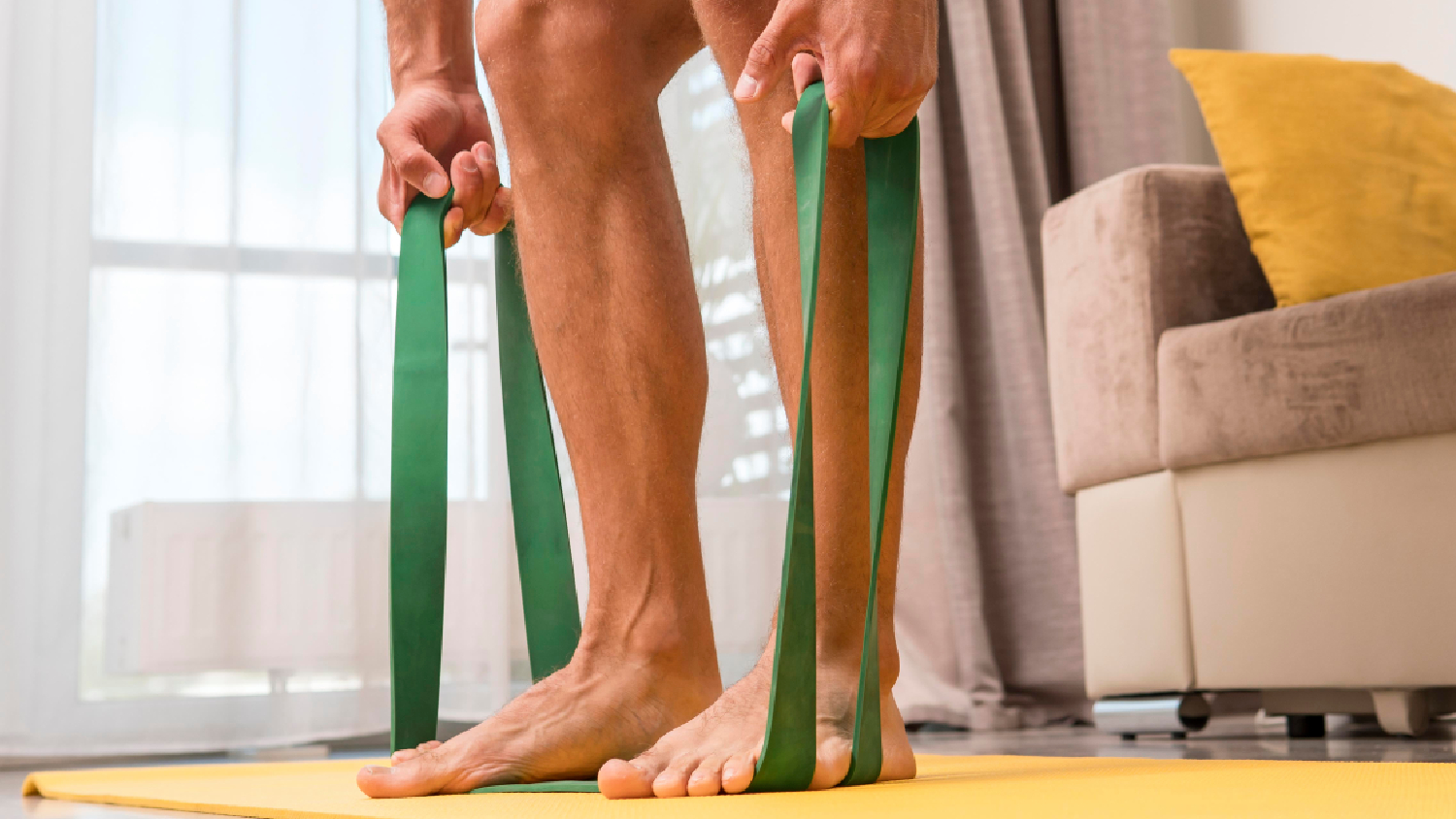
Expert physiotherapy for foot and ankle focuses on restoring the mobility of the 26 bones in the foot and strengthening the intrinsic muscles that support the arch. By improving how the foot interacts with the ground, we can reduce the rotational stress on the spine. This integrated approach is what makes specialized ankle physio so effective for patients who have “tried everything” for their back pain with no success.
Custom Foot Orthotics- The Foundation of Structural Correction
While exercises are vital, many patients require permanent structural support to maintain alignment. Custom foot orthotics are medical-grade insoles designed to keep your feet in a neutral position. Unlike over-the-counter “cushion” insoles, custom orthotics provide a corrective force that realigns the entire lower limb. This is a cornerstone of structural correction at Orthocure, providing a stable foundation for the rest of your therapy.
The Role of Ankle Physio in Lower Limb Stability
The ankle joint acts as the gateway between the foot and the rest of the body. If the ankle is stiff or unstable due to old injuries, it amplifies biomechanical faults. Dedicated ankle physio uses manual mobilization and balance training to ensure the ankle can transition forces smoothly. This stability is crucial for anyone engaging in walking, running, or even standing for long periods, as it protects the higher joints from unnecessary impact.
The Orthocure Advantage- FootBalance Technology and Integrated Care
ORTHOCURE CLINICS AND GYMS utilizes the globally acclaimed FootBalance, Finland technology . This computerized system allows us to perform a 100% accurate analysis of your foot arch and pressure distribution while you stand. We then create custom foot orthotics right in the clinic that are perfectly molded to your feet. This technology, combined with our integrated team of physiotherapists and orthopaedic doctors, ensures that your foundation is perfectly aligned to support your spinal health.
Partnering with Orthocure for Total Body Alignment
Stop ignoring the foundation of your health. Our services are designed to look at the whole person, starting from the ground up. By combining advanced gait analysis with specialized physiotherapy for foot and ankle , we provide a truly comprehensive solution for chronic pain. Partner with Orthocure today and experience the difference that a balanced foundation can make for your back, your joints, and your life.
FAQs
How can I tell if my feet are causing my back pain?
A simple way is to look at the wear pattern on your shoes. If they are worn significantly more on one side, you likely have a biomechanical fault. However, the best way is to undergo a professional gait analysis at Orthocure, where we can precisely measure how your foot biomechanics are impacting your posture.
Are custom foot orthotics better than the gel insoles I buy at the pharmacy?
Yes, significantly. Pharmacy insoles only provide “cushioning,” which might feel soft but doesn’t fix alignment. Custom foot orthotics provide a corrective “scaffold” that physically holds your foot bones in the right place. This is essential for achieving true structural correction and long-term pain relief.
Does ankle physio help with balance as I get older?
Absolutely. Balance is heavily dependent on the “proprioceptors” (nerve sensors) in your ankles. Ankle physio includes specific exercises to sharpen these sensors, making you more stable on your feet and reducing the risk of falls, while also protecting your knees and back from strain.
How long do I have to wear custom foot orthotics?
For most people with structural biomechanical faults, orthotics are like eyeglasses for your feet—you wear them whenever you are active to maintain your alignment. Over time, combined with physiotherapy for foot and ankle to strengthen your muscles, you may find your body becomes more resilient even when you aren’t wearing them.
How long does the FootBalance analysis take at Orthocure?
The analysis is very quick, taking about 10–15 minutes. Our FootBalance technology provides an immediate digital map of your feet, which our specialists use to explain your alignment issues and mold your custom insoles right then and there.