Synopsis
Runner’s knee, or patellofemoral pain syndrome, is a frustrating condition that sidelines countless athletes and active individuals every year. This guide deconstructs the structural anatomy of the knee joint, challenging the common misconception that aggressive hamstring stretching is the cure. We detail how structural correction at Orthocure Clinics and Strength Studios identifies the true mechanical drivers behind poor patellar tracking, such as hip weakness and foot overpronation. By shifting toward a Medical Gym approach, patients can safely strengthen the quadriceps and gluteal stabilizers rather than over-stretching already compromised tissues. We examine how specialized physiotherapy restores balanced biomechanics across the lower limb kinetic chain. Understanding the difference between flexibility and structural stability is the first step toward lasting knee pain relief. Consistent application of our targeted loading protocols ensures your knees remain resilient, aligned, and powerful with every stride.
Table of Contents
- Deconstructing Runner’s Knee- The Patellofemoral Mechanism
- The Hamstring Stretching Myth- Why Elongation Can Backfire
- The Real Culprits- Hip Weakness and Foot Overpronation
- The Kinetic Chain- How Pelvic Tilt Influences the Knee Joint
- Structural Correction- Restoring Balanced Patellar Tracking
- Specialized Physiotherapy- Correcting the Neuromuscular Pull
- The Strength Studio- Isolating and Loading the True Stabilizers
- Partnering with Orthocure for Long-Term Joint Resilience
Deconstructing Runner’s Knee- The Patellofemoral Mechanism
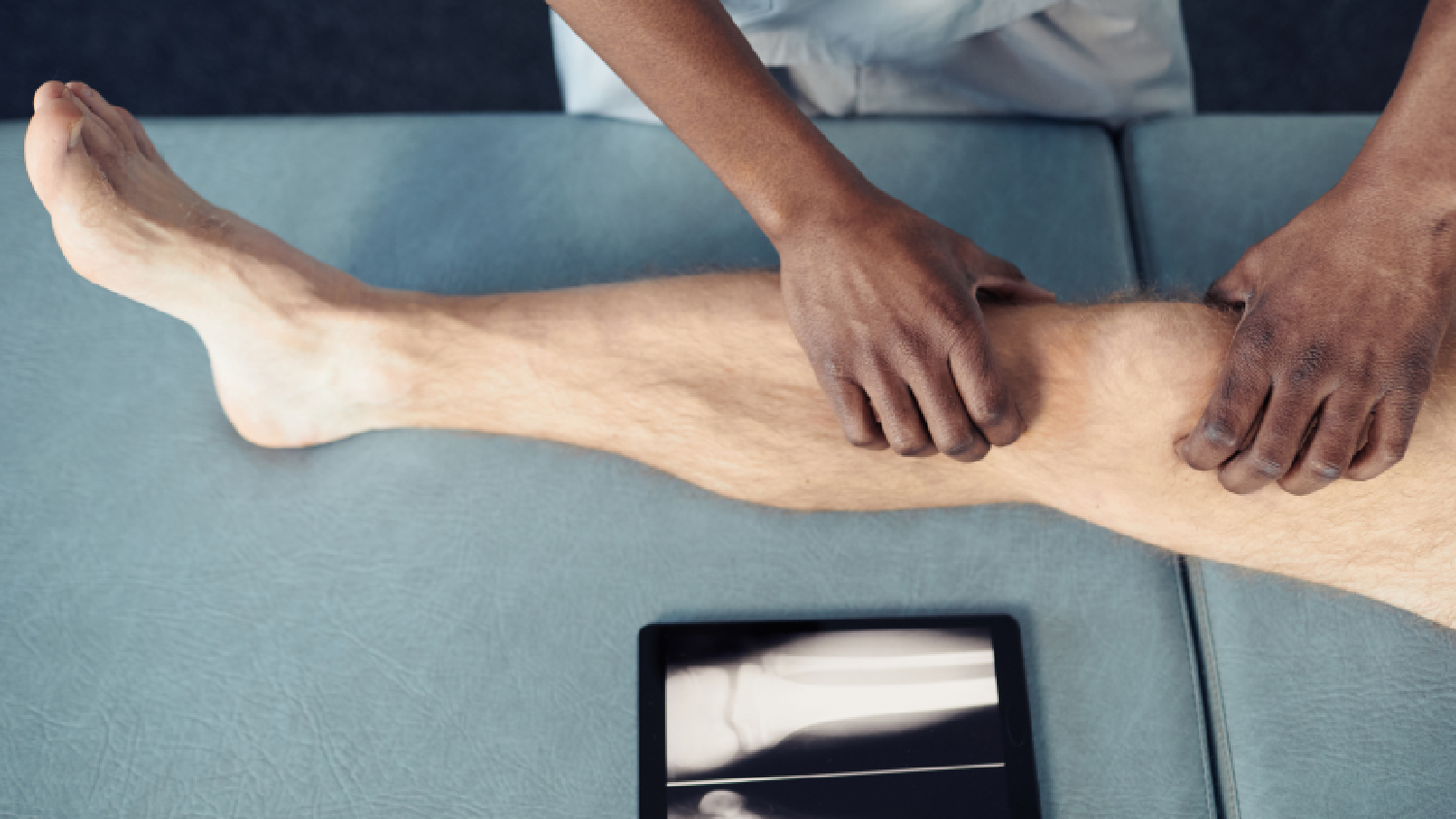
Runner’s knee, clinically known as patellofemoral pain syndrome, occurs when the kneecap (patella) does not slide smoothly within its designated groove on the thigh bone (femur). Instead of moving in a perfectly vertical track, the kneecap shifts or tilts sideways, rubbing against the surrounding cartilage. At Orthocure Clinics and Strength Studios, we see patients who experience a dull, aching pain behind or around the kneecap, especially when running, walking down stairs, or sitting for prolonged periods.
The Hamstring Stretching Myth- Why Elongation Can Backfire
When knee pain strikes, the traditional instinct is to aggressively stretch the hamstrings. However, this approach can often make runner’s knee worse. If the hamstrings are elongated without addressing reciprocal muscle weakness, it can destabilize the pelvis and alter the alignment of the femur. This changes the angle of the patellar groove, increasing the friction on the joint rather than relieving it. True knee pain relief comes from dynamic joint control, not passive flexibility.
The Real Culprits- Hip Weakness and Foot Overpronation
The knee is a simple hinge joint caught between the hip and the foot. If the gluteus medius (a key hip stabilizer) is weak, the thigh bone rotates inward during running. Simultaneously, if the foot arch collapses (overpronation), the lower leg rotates inward as well. This dual inward rotation forces the kneecap to track laterally, causing the signature inflammation of runner’s knee. Our team utilizes detailed movement screenings to pinpoint these foundational mechanical faults.
The Kinetic Chain- How Pelvic Tilt Influences the Knee Joint
An uneven pelvic tilt changes the length and tension of the muscles running down both legs. When one side of the pelvis drops or rotates forward, it alters the angle at which the quadriceps tendon pulls on the kneecap. Without achieving an even, aligned pelvic base, treating the knee locally with ice or generic exercises provides nothing more than a temporary reduction in symptoms.
Structural Correction- Restoring Balanced Patellar Tracking
Structural correction at Orthocure involves looking at the entire lower extremity. We evaluate the alignment of the hips, knees, and ankles under dynamic load. By correcting a functional leg length discrepancy or adjusting an unlevel pelvis, we re-establish a neutral pathway for the lower limbs. This structural realignment instantly reduces the lateral forces pulling on your kneecap, allowing the irritated cartilage to heal.
Specialized Physiotherapy- Correcting the Neuromuscular Pull
Our specialized physiotherapy protocols go far beyond standard stretching routines. We focus on neuromuscular re-education, specifically targeting the vastus medialis obliquus (VMO)—the inner quadriceps muscle responsible for pulling the kneecap back into its proper groove. Through precise manual therapy and biofeedback, our physiotherapists restore the balanced muscular tension required for fluid joint motion.
The Strength Studio- Isolating and Loading the True Stabilizers
Once proper tracking is restored, the joint must be reinforced. In our Strength Studio , we utilize controlled, medical-grade resistance training within a highly regulated Medical Gym environment. We isolate and strengthen the gluteal muscles and quadriceps through safe ranges of motion, avoiding the high-impact stress of traditional gym workouts. This builds a robust, shock-absorbing system around the knee.
Partnering with Orthocure for Long-Term Joint Resilience
Stop chasing the pain and start fixing the biomechanics. Our comprehensive services at Orthocure Clinics and Strength Studios are built to deliver lasting, non-surgical solutions for joint pain. By combining detailed gait assessments, structural correction, and medical-grade conditioning, we empower you to run, walk, and move with absolute confidence. Partner with Orthocure today and build a truly resilient foundation.
FAQs
Why does runner's knee hurt more when sitting for long periods?
This is known as the “theatre sign.” When your knee is bent for an extended duration, the kneecap is pressed firmly into the femoral groove. If the joint is already inflamed due to poor tracking, this sustained compression cuts off localized circulation and increases pain. Our specialized physiotherapy helps reduce this deep joint pressure.
Should I stop running completely if I have patellofemoral pain?
Not necessarily. Total rest can lead to muscle atrophy, which further destabilizes the joint. In our Medical Gym , we modify your training volume and focus on low-impact strengthening to maintain your fitness while using structural correction to fix the tracking issue before you return to full-mileage running.
How do I know if my hip weakness is causing my knee pain?
If your knee tends to collapse inward toward your other leg when you perform a single-leg squat, it is a clear sign that your hip stabilizers are not firing correctly. Our specialists use these exact functional tests in the Strength Studio to design a program tailored to your unique movement patterns.
Are custom orthotics helpful for runner's knee?
Yes, if your gait analysis reveals significant overpronation. Correcting an inward-rolling ankle stabilizes the lower leg and prevents the tibia from twisting the knee joint out of alignment. Combining custom orthotics with a structured strengthening routine provides a powerful defense against pain.
How long does it take to resolve runner's knee with specialized care?
Most patients experience noticeable knee pain relief within 3 to 6 weeks as tracking is corrected and inflammation subsides. To permanently strengthen the surrounding musculature and prevent a relapse, a full 12-week protocol in our integrated clinic is highly recommended.