
Synopsis
Corticosteroid injections are frequently presented as the ultimate quick fix for severe spinal and joint inflammation. This guide pulls back the curtain on the physiological reality of cortisone, exploring how it interacts with your body’s cellular pathways. We detail why relying on repeat injections acts as a mere biological camouflage, temporarily masking pain while potentially altering tissue chemistry and weakening local cartilage. By utilizing the integrated orthopaedic model at Orthocure Clinics and Strength Studios, we ensure that an injection is never used as a standalone treatment, but rather as a strategic “window of opportunity” to initiate structural correction. By transitioning into a clinically supervised Medical Gym program, patients can actively rebuild joint stability while the tissue is calm. We examine how specialized physiotherapy bridges the gap between chemical relief and mechanical permanence. Understanding that cortisone treats the chemistry while exercise treats the physics is the first step toward lasting joint pain relief. Consistent training in our Strength Studio ensures that your recovery outlasts the medication, delivering a long-term upgrade to your physical capacity.
Table of Contents
- The Quick-Fix Illusion- What Cortisone Actually Does inside a Joint
- The Chemical Fire Extinguisher- Understanding Synthetic Glucocorticoids
- The Hidden Cost- How Steroids Alter Cartilage and Tendon Integrity
- The Masking Effect- The Danger of Over-Exerting a Numbed Joint
- The Window of Opportunity- Pairing Chemical Relief with Structural Correction
- Specialized Physiotherapy- Movement Retraining While the Nerve is Calm
- The Strength Studio- Rebuilding the Suspension System in the Medical Gym
- Partnering with Orthocure for a Strategic, Non-Surgical Solution
The Quick-Fix Illusion- What Cortisone Actually Does inside a Joint
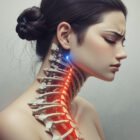
When chronic knee, shoulder, or back pain becomes unbearable, a cortisone injection is often recommended as an immediate solution. At Orthocure Clinics and Strength Studios, we often meet patients who view these injections as a permanent cure. However, it is vital to understand that cortisone does not repair a torn tendon, fix a herniated disc, or restore worn-out cartilage. It is a powerful chemical intervention designed to silence pain, but true joint pain relief only becomes permanent when the mechanical stress driving the inflammation is eliminated.
The Chemical Fire Extinguisher- Understanding Synthetic Glucocorticoids
Cortisone injections use synthetic variants of cortisol, a hormone naturally produced by your adrenal glands. When injected directly into an inflamed joint capsule or around a pinched nerve root, the steroid acts as a highly potent local anti-inflammatory agent. It down-regulates the immune response, halts the production of inflammatory cytokines, and rapidly drops localized swelling. Think of it as a chemical fire extinguisher—it is remarkably efficient at putting out the metabolic fire, but it does not rebuild the damaged house.
The Hidden Cost- How Steroids Alter Cartilage and Tendon Integrity
While cortisone is a valuable medical tool for breaking acute pain cycles, it carries a hidden biological cost if overused. Clinical studies show that high doses or frequent, repeated steroid injections can alter local tissue chemistry. Cortisone can inhibit fibroblast and chondrocyte activity—the exact cells responsible for synthesizing collagen and maintaining healthy cartilage. Over time, relying on repeat blocks can cause the structural breakdown of tendons, weaken ligaments, and accelerate cartilage thinning, turning a short-term fix into a long-term structural liability.
The Masking Effect- The Danger of Over-Exerting a Numbed Joint
Pain is a vital biological warning system. It tells your brain when a joint has reached its structural limit. When an injection completely numbs a joint, it creates a false sense of security. A patient may return to the golf course or the gym and subject their joints to high-impact forces that their muscles are not strong enough to support. Without pain to act as a governor, this masking effect can lead to severe micro-trauma, accelerating joint wear and tear while the steroid is active.
The Window of Opportunity- Pairing Chemical Relief with Structural Correction
In our integrated orthopaedic model, we treat a cortisone injection not as a destination, but as a strategic “window of opportunity.” The 3 to 6 months of pain reduction provided by the steroid should be used proactively. Because the pain is muted, we can initiate the structural correction and high-intensity localized strengthening that would have been too painful to attempt before. The objective is to make the framework so resilient that when the chemical effects wear off, the mechanical friction does not return.
Specialized Physiotherapy- Movement Retraining While the Nerve is Calm
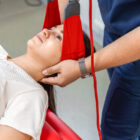
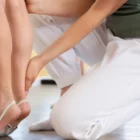
During this post-injection window, specialized physiotherapy focuses on correcting faulty movement patterns. Because the threat signals to the brain are temporarily quieted, your nervous system is much more willing to let go of protective muscle guarding. Our physiotherapists utilize manual therapy, joint mobilization, and precise gait retraining to restore a natural range of motion. This phase prepares your musculoskeletal system for safe, high-quality transitions into a structured exercise environment.
The Strength Studio- Rebuilding the Suspension System in the Medical Gym
Once proper movement mechanics are established, the joint must be reinforced. In our Strength Studio , inside a strictly monitored Medical Gym setting, we introduce heavy, slow resistance training. We use clinical-grade technology to isolate and strengthen the core and deep stabilizing muscles surrounding the joint. By building a powerful “muscular suspension system,” we ensure your muscles absorb daily impact forces, permanently offloading the bone and cartilage and reducing the need for future medical interventions.
Partnering with Orthocure for a Strategic, Non-Surgical Solution
Do not settle for temporary pain camouflage. Our services at Orthocure Clinics and Strength Studios combine advanced medical science with functional, data-driven strength conditioning. Whether you are using an injection to calm severe inflammation or you are ready to dive straight into mechanical rehabilitation, we build a scientific roadmap tailored to your unique biology. Partner with Orthocure today and move from a short-term band-aid to a permanent structural cure.
FAQs
How long does a cortisone injection take to start working, and how long does it last?
Most patients begin to feel a noticeable reduction in inflammation and immediate joint pain relief within 3 to 7 days after the injection. The longevity of the steroid varies depending on the joint environment and your overall alignment, but it typically provides a therapeutic window lasting anywhere from 6 weeks to 6 months.
Why do orthopaedic specialists limit the number of steroid injections you can have?
Because cortisone can suppress the cells that build collagen, receiving frequent injections in the exact same spot can weaken the joint capsule, degrade cartilage, and soften tendons. To preserve long-term joint health, most specialists recommend a maximum of 3 injections per joint within a single year, emphasizing the need to fix the root cause in the Strength Studio .
Is it normal to experience a temporary pain spike right after a cortisone injection?
Yes, this is known as a “cortisone flare.” It happens when the injected medication crystallizes within the joint space, causing localized irritation before the anti-inflammatory properties kick in. This flare typically subsides within 24 to 48 hours and can be managed with relative rest and ice under the guidance of your specialized physiotherapy team.
Can I go straight back to heavy lifting after getting an injection?
No. We strongly advise relative rest for the first 48 to 72 hours to allow the steroid to settle properly into the target tissue. Returning to high-impact or ballistic lifting too early can cause structural damage while the joint is numbed. Instead, use this time to transition into gentle, controlled alignment modifications within our Medical Gym .
If the injection completely cures my pain, why do I still need to exercise?
Pain is merely a symptom of an underlying mechanical fault—such as a weak core or a pelvic tilt that is overloading the joint. If you do not undergo structural correction and strength training during the pain-free window, the exact same mechanical grinding will resume the moment the steroid metabolizes, causing the pain to return.