Synopsis
Most people wait for a “crisis”—a sharp pain, a numb limb, or a locked back—before seeking orthopaedic advice. This guide advocates for the “Preventative Orthopaedic” model, emphasizing the importance of early detection in musculoskeletal health. We detail how structural correction at Orthocure Clinics and Strength Studios can identify silent mechanical faults, such as asymptomatic disc thinning or pelvic imbalances. By utilizing a Medical Gym screening process, we can map your spinal strength and identify “weak links” before they lead to injury. We examine how specialized physiotherapy acts as a proactive tool to maintain joint longevity. Understanding that pain is a late-stage symptom is the first step toward a lifetime of mobility. Consistent application of our diagnostic protocols in the Strength Studio ensures that you catch small issues before they become surgical problems.
Table of Contents
- The Pain Fallacy- Why Being "Pain-Free" Doesn't Mean You're Healthy
- Preventative Orthopaedics- Catching the Faults Early
- Digital Posture Analysis- Seeing What the Naked Eye Misses
- The Spinal Strength Baseline- Testing Your Resilience
- Structural Correction as Maintenance- The Dental Model for Your Back
- Specialized Physiotherapy- Proactive Joint Lubrication
- The Strength Studio- Your Insurance Policy Against Aging
- Partnering with Orthocure for a Proactive Life
The Pain Fallacy- Why Being "Pain-Free" Doesn't Mean You're Healthy
In the world of orthopaedics, pain is often the last symptom to appear. By the time you feel a “twinge” in your back, the underlying mechanical issue—like a pelvic tilt or disc dehydration—may have been progressing for years. At Orthocure Clinics and Strength Studios, we believe in moving away from reactive care. A preventative “check-up” allows us to intervene while your tissues are still healthy and resilient.
Preventative Orthopaedics- Catching the Faults Early
Just as you see a dentist to prevent cavities or a cardiologist to check your heart, a preventative orthopaedic screening looks at the “wear patterns” of your movement. We identify areas of “hypermobility” (too much movement) or stiffness that are placing excessive stress on your joints. This proactive approach is the most effective way to achieve long-term back pain relief by ensuring the pain never starts.
Digital Posture Analysis- Seeing What the Naked Eye Misses
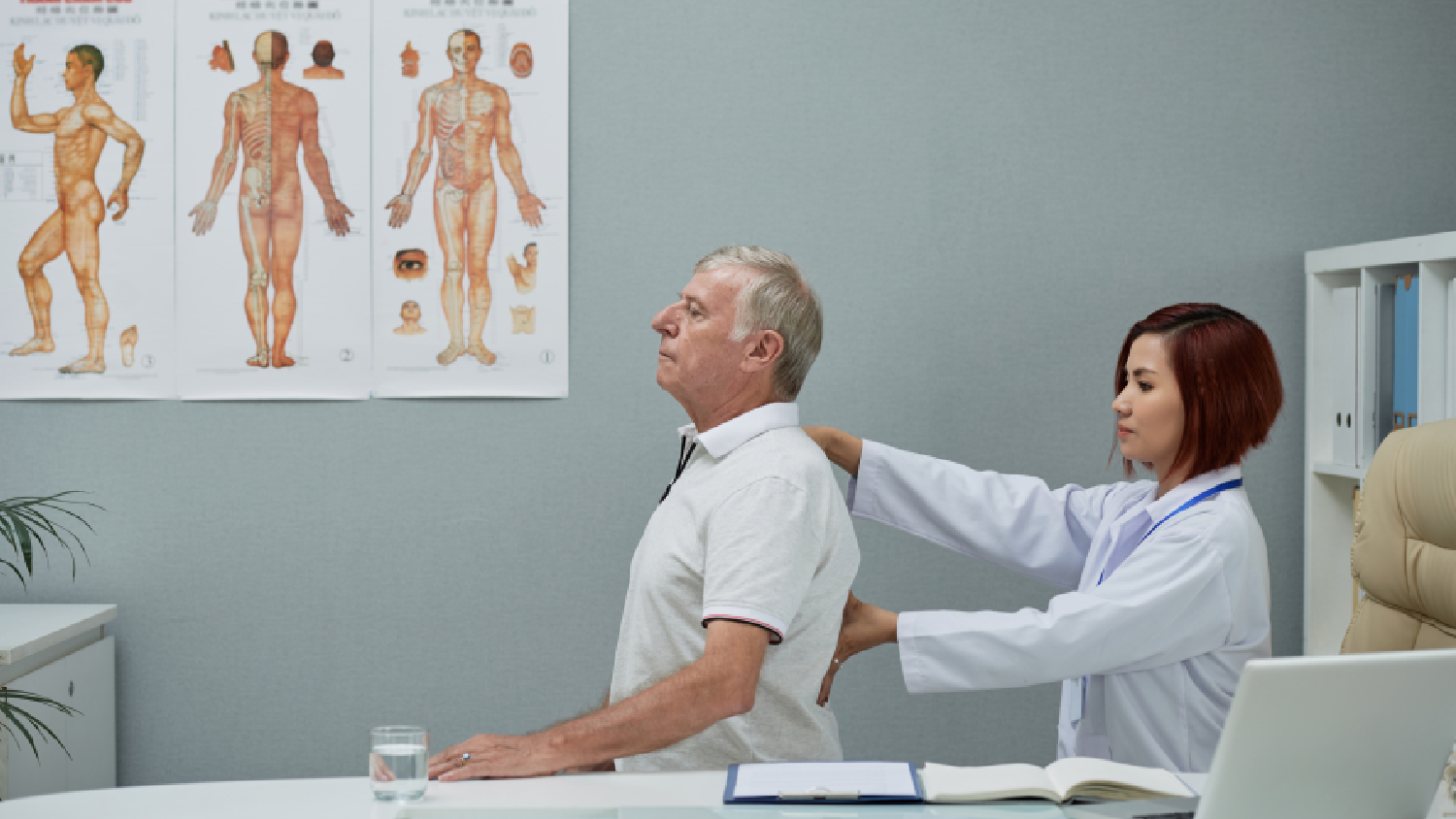
Our check-ups utilize advanced digital posture analysis to create a “map” of your alignment. We look for the subtle forward head shifts, shoulder asymmetries, and hip deviations that signal a breakdown in your kinetic chain. Structural correction is much easier to achieve when the body hasn’t yet developed deep-seated compensatory habits or chronic inflammation.
The Spinal Strength Baseline- Testing Your Resilience
How strong is your “natural brace”? Most people have no idea. In our Medical Gym , we use MedX technology to establish a “Spinal Strength Baseline.” We measure the torque of your lumbar and cervical extensors. If your strength is below the healthy average for your age and height, you are at a statistically higher risk for a future disc bulge. Knowing your numbers is the first step in prevention.
Structural Correction as Maintenance- The Dental Model for Your Back
Think of structural correction as “orthodontics for the spine.” Even if you aren’t in pain, periodic checks ensure that your vertebrae remain “stacked” correctly. This maintenance prevents the uneven pressure that leads to degenerative disc disease and facet joint syndrome. At Orthocure, we treat the spine as a lifelong asset that requires regular tuning to perform at its best.
Specialized Physiotherapy- Proactive Joint Lubrication
Movement is the only way your joints receive nutrients. Specialized physiotherapy in a preventative context focuses on “joint hygiene.” We use manual therapy to ensure every segment of your spine is moving through its full range. This stimulates the production of synovial fluid, keeping your “hinges” well-oiled and preventing the stiffness that often leads to acute injury during exercise or daily tasks.
The Strength Studio- Your Insurance Policy Against Aging
The Strength Studio is your primary defense against sarcopenia (age-related muscle loss). By building a high level of “reserve strength” while you are healthy, you create a buffer for your joints. If you ever do have a minor trip or fall, a strong muscular system will absorb the impact, protecting your bones and discs from damage. This is the ultimate medical fitness strategy.
Partnering with Orthocure for a Proactive Life
Don’t wait for your back to “go out” before you come in. Our services at Orthocure Clinics and Strength Studios are designed to help you stay ahead of the curve—literally. By combining diagnostic excellence, structural correction, and the power of the Medical Gym, we help you build a body that lasts. Partner with Orthocure today for your first orthopaedic check-up and invest in your future mobility.
FAQs
Why should I see an orthopaedist if I don’t have pain?
An orthopaedic check-up is about prevention. Many spinal issues, like early-stage disc thinning, don’t cause pain until they are quite advanced. By identifying these mechanical faults early, we can use structural correction to stop them from progressing into chronic conditions.
What happens during a preventative screening at Orthocure?
We perform a comprehensive evaluation that includes a digital posture scan, a gait analysis, and a spinal strength test on our MedX equipment. This gives us a 360-degree view of your musculoskeletal health and allows us to create a “pre-hab” plan in our Strength Studio .
Is it true that pain is the "last" symptom?
Yes. The body is an expert at compensating. You might have a pelvic tilt that is causing one side of your back to work 30% harder. You won’t feel pain until that muscle finally fatigues and fails. Our screenings catch the “overwork” before the failure happens.
Can I just do regular gym work for prevention?
While general fitness is great, it doesn’t always target the deep stabilizers of the spine. A Medical Gym uses targeted isolation to ensure your “internal brace” is strong. Regular gym work can sometimes even mask a problem by strengthening the big, global muscles while the deep ones stay weak.
How often should I get an orthopaedic check-up?
For most adults, an annual or bi-annual check-up is ideal. If you have a desk job or a history of minor “niggles,” a more frequent check in the Strength Studio ensures that your posture and strength are being maintained against the stresses of daily life.