Synopsis
A diagnosis of a herniated or slipped disc is frequently met with immediate panic and the assumption that major spinal surgery is inevitable. This guide demystifies the structural mechanics of the intervertebral disc, shedding light on the body’s highly efficient, natural healing response known as spontaneous disc resorption. We detail how structural correction at Orthocure Clinics and Strength Studios alters the internal hydraulics of the spine to take the pressure off a bulging nerve root. By transitioning into a clinically supervised Medical Gym program, patients can safely move beyond passive recovery to actively stabilize the damaged segment. We examine how specialized physiotherapy accelerates this natural healing process by managing localized inflammation and introducing gentle spinal decompression. Understanding that a herniated disc can heal on its own under the right mechanical conditions is the first step toward achieving genuine, non-surgical back pain relief. Consistent application of our targeted loading protocols in the Strength Studio ensures your spine remains stable and your discs are structurally reinforced for the future.
Table of Contents
- Inside the Spinal Disc- Understanding the Jelly Donut Metaphor
- Bulge vs. Herniation- Mapping the Severity of Spinal Damage
- The Secret of Disc Resorption- How the Body Eats Its Own Bulges
- Why Inflammation Is Actually the Catalyst for Natural Healing
- Structural Correction- Changing the Internal Hydraulics of the Spine
- Specialized Physiotherapy- Creating the Optimal Environment for Resorption
- The Strength Studio- Locking in Stability with MedX Core Conditioning
- Partnering with Orthocure for a Non-Surgical Cure
Inside the Spinal Disc- Understanding the Jelly Donut Metaphor
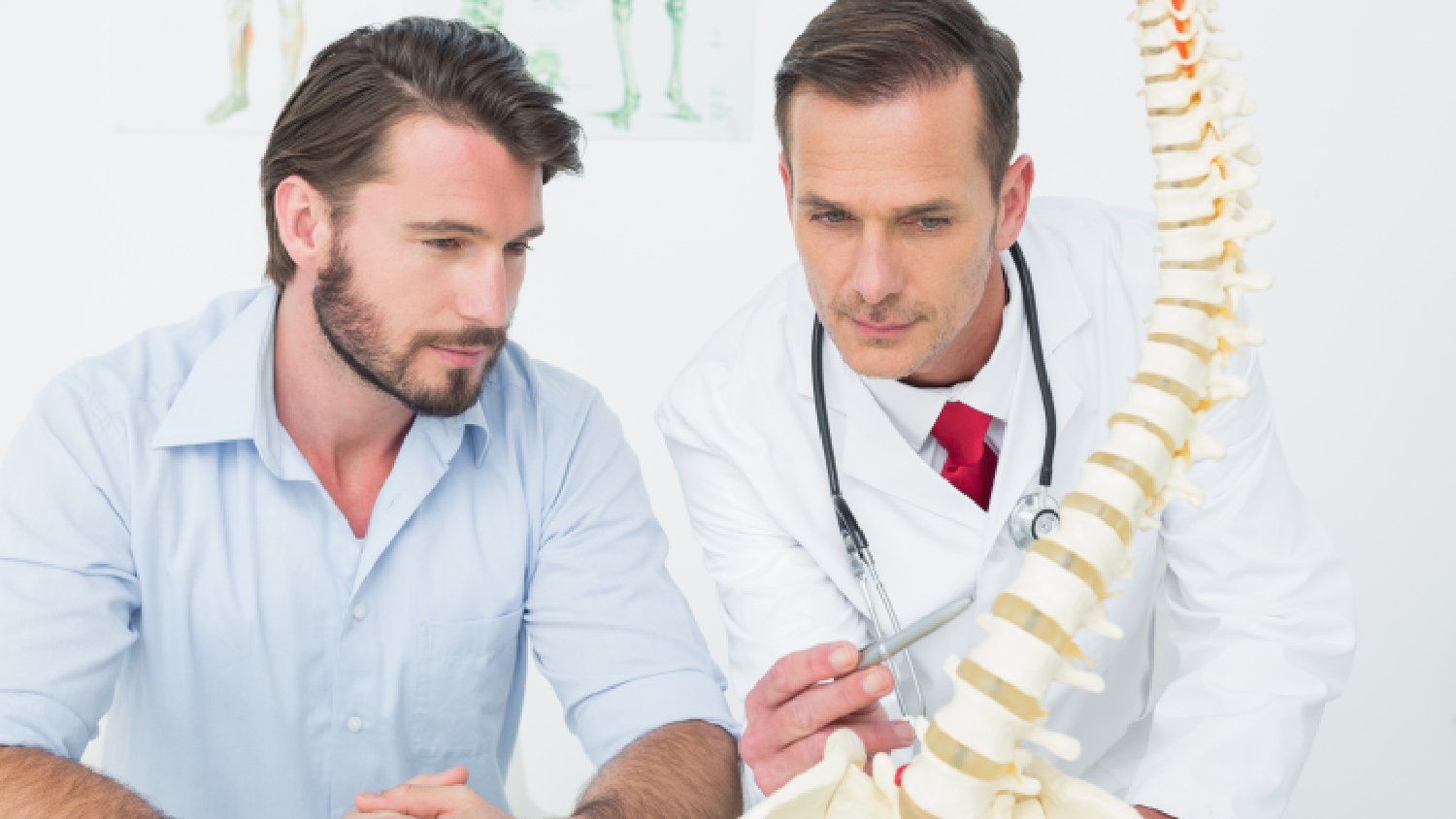
Intervertebral discs act as the shock-absorbing cushions between your spinal bones. To understand their mechanics, visualize a jelly donut. The outer layer, called the annulus fibrosus, consists of tough, interlocking rings of fibrocartilage. The inner core, called the nucleus pulposus, is a soft, gelatinous mass comprised mostly of water and collagen. At Orthocure Clinics and Strength Studios, we teach our patients that this design allows the spine to bend, twist, and absorb immense amounts of compression during daily activities.
Bulge vs. Herniation- Mapping the Severity of Spinal Damage
Spinal issues exist on a spectrum. A bulging disc occurs when the outer cartilage ring remains intact but sags outward under heavy, uneven pressure, much like a tire under-inflated with air. A herniated disc, however, happens when the outer ring actually cracks or tears, allowing the soft internal jelly core to squeeze completely outside. This extruded material is what physically pinches the spinal cord or exiting nerve roots, generating severe localized spasms or radiating leg pain (sciatica).
The Secret of Disc Resorption- How the Body Eats Its Own Bulges
The most liberating piece of news for anyone with a herniated disc is that the body has a built-in mechanism to dissolve it. This physiological phenomenon is known as spontaneous disc resorption. When the inner gel escapes the disc, it enters the spinal canal space, where it is recognized by the immune system as a foreign object. The body launches a targeted macro-phage response—specialized immune cells travel to the site and naturally digest and reabsorb the dehydrated fragments over time, providing permanent back pain relief without surgical intervention.
Why Inflammation Is Actually the Catalyst for Natural Healing
When a disc herniates, the initial intense pain is driven by an aggressive wave of localized inflammation. While this inflammation feels miserable, it is actually a vital signal that kickstarts the resorption process. The inflammatory chemistry acts like a beacon, calling blood vessels and immune cells to the avascular disc space to clear away the debris. Suppressing this response completely with heavy, long-term anti-inflammatories can actually delay healing. The key is to manage the pain while allowing the biology to do its job in a controlled Medical Gym environment.
Structural Correction- Changing the Internal Hydraulics of the Spine
For natural resorption to take place, you must stop re-injuring the disc with every movement. If you have an unlevel pelvis or an exaggerated forward pelvic tilt , it forces the vertebrae to squeeze the front of the disc, pushing the inner jelly further backward into the nerve space. Structural correction at Orthocure works to re-level your alignment. By correcting these skeletal imbalances, we re-distribute the internal hydraulic pressure evenly across the disc, allowing the herniated material to recede away from the nerve.
Specialized Physiotherapy- Creating the Optimal Environment for Resorption
Our specialized physiotherapy protocols utilize advanced, low-force mechanical traction and targeted directional preference movements (such as the McKenzie method). By gently opening up the space between the compressed vertebrae, we create a negative pressure—a micro-vacuum effect—that coaxes the bulging tissue back into its structural boundaries. Our physiotherapists also use targeted soft-tissue work to relax the deep muscle guarding that locks up your spine.
The Strength Studio- Locking in Stability with MedX Core Conditioning
Once the herniated material has been resorbed and the nerve is clear, the underlying weakness must be fixed. In our Strength Studio , inside a safe and highly monitored Medical Gym setting, we use specialized MedX technology to isolate and rebuild your deep spinal musculature. By strengthening your multifidus and transverse abdominis muscles, we create a rigid “muscular corset” that permanently locks your vertebrae in a safe, aligned position, protecting your discs from future overloading.
Partnering with Orthocure for a Non-Surgical Cure
An MRI showing a disc herniation is not a life sentence for surgery. Our integrated services at Orthocure Clinics and Strength Studios offer a highly structured, non-invasive roadmap to support your body’s natural healing capabilities. By combining precise mechanical alignment, targeted structural correction, advanced physical therapy, and medical-grade core strengthening, we help you conquer disc pain safely and permanently. Partner with Orthocure today and take your first step toward an active, uncompromised life.
FAQs
How long does it typically take for the body to resorb a herniated disc?
The timeline for spontaneous resorption varies based on the size of the herniation. Paradoxically, larger, more severe herniations are often resorbed faster (typically within 3 to 6 months) because they trigger a much stronger immune and inflammatory response. Smaller bulges can take slightly longer to change structurally, but noticeable back pain relief can be achieved much sooner through proper alignment.
Is it normal for a herniated disc to cause severe pain in my calf or foot?
Yes. This is called referred or radiating pain (sciatica). The nerve roots exiting your lower back travel all the way down your leg to your toes. When a herniated disc presses against one of these roots, your brain cannot tell that the pinch is in your back, so it perceives a sharp, burning, or tingling sensation in your lower leg.
Should I stay in bed until my herniated disc heals completely?
Absolutely not. Strict bed rest for more than 48 hours is highly detrimental to disc healing. Discs have no direct blood supply; they rely on a structural “pumping mechanism” driven by movement to receive nutrients and flush out metabolic waste. Walking and engaging in low-impact movements within our Medical Gym accelerates the resorption process.
Can an adjustment in the clinic cause a herniated disc to pop back into place?
No, a disc cannot be physically popped back into place like a puzzle piece. However, precise structural correction realigns the vertebrae above and below the disc. This unloads the segment and removes the mechanical pinch on the nerve root, creating the perfect spatial environment for the body to naturally resorb the tissue.
How does MedX training in the Strength Studio prevent another disc herniation?
Most disc herniations happen because weak lower back muscles allow the spine to twist and flex uncontrollably under load. In our Strength Studio , the MedX equipment locks your pelvis in position, forcing your deep spinal extensors to do the work. Building extreme endurance in these specific muscles creates an internal shield that stops your vertebrae from ever crushing your discs again.