Synopsis
A diagnosis of a disc bulge can be daunting, but it does not automatically necessitate surgery. This guide delves into the structural reality of spinal discs and explains the biological potential for natural healing. We detail how structural correction at Orthocure Clinics and Strength Studios addresses the mechanical root cause of disc protrusion. By focusing on non-surgical decompression and the “natural brace” of the spine, patients can avoid invasive procedures. We explore how specialized spinal physiotherapy and medical-grade strengthening help the body resorb disc material. Understanding the difference between a structural fault and a permanent disability is the first step toward recovery. Consistent application of our integrated protocols ensures that the spine is stabilized and the nerves are decompressed, offering a durable alternative to the operating theater.
Table of Contents
- Demystifying the Disc- What a Bulge Really Means
- The Myth of the "Slipped" Disc
- Why Surgery is Not Always the Solution
- Structural Correction- Fixing the Mechanical Load
- The Role of Non-Surgical Decompression
- Strengthening the Supporting Framework
- The Orthocure Integrated Approach to Disc Health
- Partnering with Orthocure for a Resilient Spine
Demystifying the Disc- What a Bulge Really Means
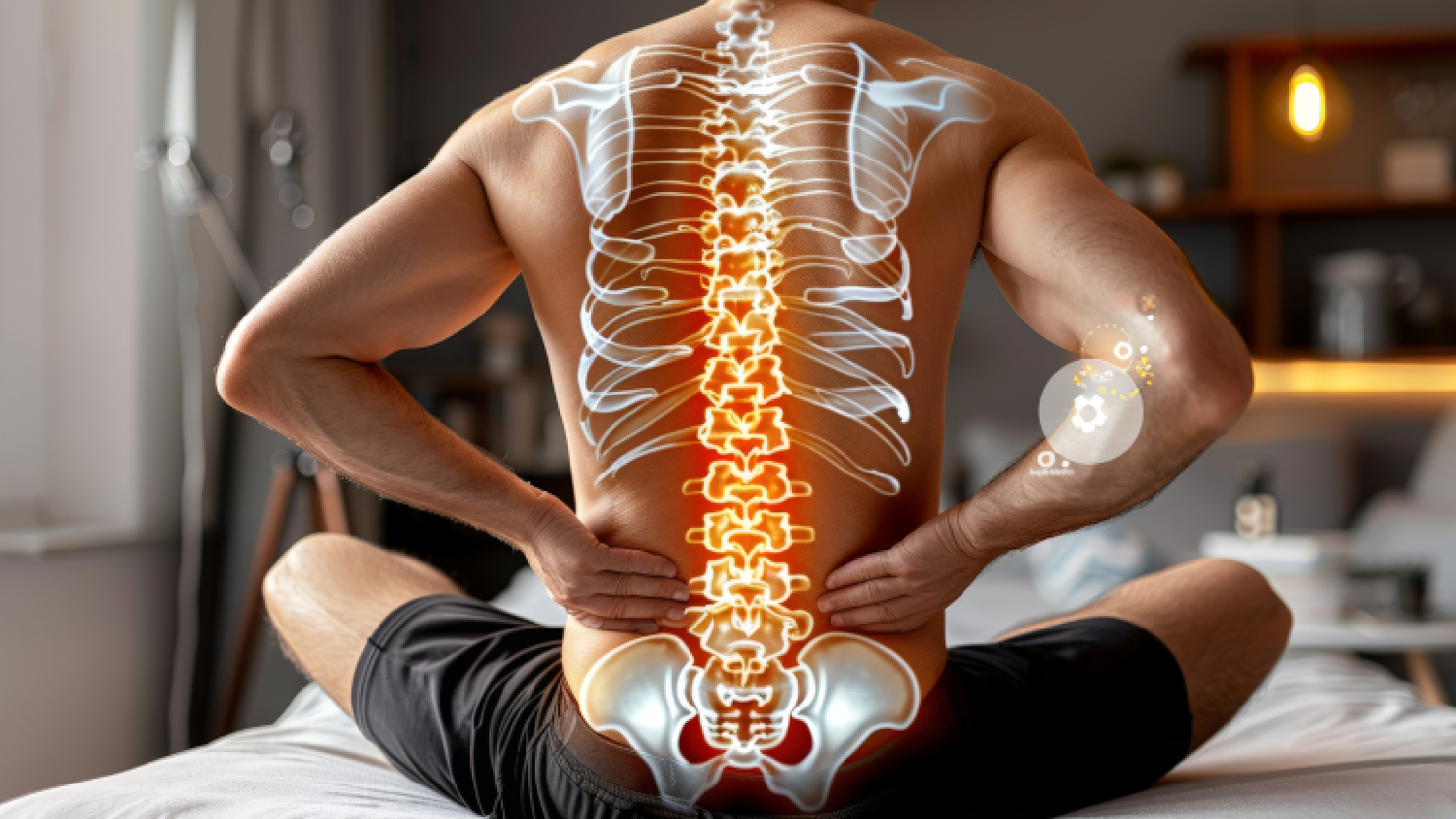
Intervertebral discs act as the shock absorbers of the spine. A disc bulge occurs when the soft inner core (nucleus pulposus) pushes against the tough outer layer (annulus fibrosus), causing it to extend beyond its normal space. At Orthocure Clinics and Strength Studios, we educate patients that a bulge is often a sign of uneven mechanical loading rather than a localized disease.
The Myth of the "Slipped" Disc
The term “slipped disc” is a misnomer; discs are firmly attached to the vertebrae and cannot slip out of place. Instead, they bulge or herniate due to excessive pressure. Understanding this helps shift the focus from “pushing a disc back in” to relieving the pressure that caused the bulge in the first place.
Why Surgery is Not Always the Solution
Studies show that many disc bulges can be resorbed by the body naturally if the right mechanical environment is created. Surgery often focuses on removing the protruding part of the disc, but it may not address the underlying instability that caused the problem. Our non-surgical protocols aim to provide symptomatic relief while fixing the structural fault.
Structural Correction- Fixing the Mechanical Load
Structural correction is at the heart of our philosophy. If your spine is misaligned, gravity and movement forces are distributed unevenly, constantly “squeezing” the disc. By correcting pelvic tilts and spinal curvatures, we redistribute these loads, allowing the disc to heal and the inflammation to subside without surgical intervention.
The Role of Non-Surgical Decompression
To allow a disc to heal, we must create space. We utilize specialized manual therapy and mechanical decompression techniques to gently stretch the spine. This creates a “vacuum” effect that can help draw the bulging material back toward the center of the disc and away from sensitive nerve roots.
Strengthening the Supporting Framework
A disc bulge often occurs because the muscles intended to protect the spine have weakened. In our Strength Studio, we focus on building the “natural brace” of the spine. By strengthening the multifidus and deep core muscles, we provide the vertebrae with the stability they need to stay aligned, preventing future disc issues.
The Orthocure Integrated Approach to Disc Health
ORTHOCURE CLINICS AND STRENGTH STUDIOS utilize a unique 4 Point Protocol. This involves a medical diagnosis by an Orthopaedic specialist, skeletal alignment, specialized physiotherapy, and medical-grade strengthening. This 360-degree approach ensures that we aren’t just treating the bulge on the MRI, but the person and their unique biomechanics.
Partnering with Orthocure for a Resilient Spine
You don’t have to rush into surgery. Our services are designed to offer a scientific, evidence-based alternative for disc-related pain. By focusing on alignment and strength, we help you reclaim your mobility and live a pain-free life. Partner with Orthocure today and discover how a stronger, better-aligned spine can be your best defense against disc problems.
FAQs
Can a disc bulge heal on its own?
Yes, the body has a natural ability to resorb bulging disc material over time. However, this process requires the right mechanical environment. Spinal physiotherapy and structural correction ensure the pressure is removed from the disc, allowing this natural healing to take place effectively.
How do I know if I need surgery for my disc bulge?
Surgery is usually reserved for cases involving “red flags” such as loss of bowel/bladder control, extreme muscle weakness, or pain that fails to respond to conservative care. Most patients find that our integrated non-surgical approach provides the relief they need without the risks of an operation.
What is non-surgical decompression?
Non-surgical decompression involves gentle stretching of the spine to create negative pressure within the disc. This helps reduce the bulge and improves the flow of nutrients into the disc to aid healing. It is a key component of the Orthocure integrated approach.
Is exercise safe if I have a disc bulge?
In the acute phase, rest and gentle movement are required. However, long-term recovery depends on exercise. Our Strength Studio provides a controlled environment where you can build the strength needed to protect your discs without the risk of re-injury.
How long does it take to see results with structural correction?
While pain relief can often be achieved within a few weeks, true structural correction and muscle building take time. Most patients see significant, durable improvements within 8 to 12 weeks of consistent treatment and training.