Synopsis
When discussing “core stability,” most people think of the visible abdominal muscles or the deep stabilizers of the back. However, the true floor of the core—the pelvic floor—is often completely ignored in traditional rehabilitation. This guide explores the deep anatomical connection between the pelvic floor muscles and the lumbar spine. We detail how a “leak” in this foundation can lead to chronic lower back pain and sacroiliac (SI) joint instability. By utilizing specialized physiotherapy at Orthocure Clinics and Strength Studios, patients can learn to integrate pelvic floor activation with spinal stabilization. We examine how structural correction of the pelvis helps restore the natural tension required for these muscles to function. Understanding that your core is a pressurized canister, with the pelvic floor as its base, is the first step toward lasting back pain relief. Consistent training in our Strength Studio ensures that your foundation is solid from the ground up.
Table of Contents
- The Core as a Canister- Why the Floor Matters
- The Pelvic-Spine Connection- Anatomical Synergy
- SI Joint Instability- When the Foundation Shifts
- Signs of a Weak Foundation- Beyond Incontinence
- Structural Correction- Leveling the Pelvic Basin
- Specialized Physiotherapy- Training the "Deep Core" Trio
- The Strength Studio- Managing Intra-Abdominal Pressure
- Partnering with Orthocure for Comprehensive Core Health
The Core as a Canister- Why the Floor Matters
Think of your core not as a set of muscles, but as a pressurized canister. The diaphragm is the lid, the abdominals and multifidus are the walls, and the pelvic floor is the base. If the base is weak or poorly coordinated, the canister cannot maintain internal pressure. At Orthocure Clinics and Strength Studios, we find that many patients with “stubborn” back pain actually have a foundational leak at the pelvic floor level.
The Pelvic-Spine Connection- Anatomical Synergy
The pelvic floor muscles are neurologically and mechanically linked to the deep stabilizers of the spine, such as the transversus abdominis. When you engage your pelvic floor, it “pre-activates” your spinal stabilizers. If this synergy is broken, your vertebrae are left to handle loads without their primary support system. Achieving true spinal stability requires re-establishing this connection through targeted specialized physiotherapy .
SI Joint Instability- When the Foundation Shifts
The Sacroiliac (SI) joint is where your spine meets your pelvis. It relies heavily on the tension provided by the pelvic floor for stability. If these muscles are dysfunctional, the SI joint can become “hypermobile” or misaligned, causing sharp, localized pain in the lower back and glutes. Our integrated team uses structural correction to ensure the pelvic bones are aligned so the muscles can provide effective tension.
Signs of a Weak Foundation- Beyond Incontinence
Pelvic floor dysfunction isn’t just about bladder control. In the context of orthopaedics, signs of a weak pelvic floor include chronic lower back pain that worsens with lifting, a feeling of “heaviness” in the pelvis, or pain in the tailbone (coccydynia). In the Medical Gym , we screen for these symptoms to ensure we are treating the whole core, not just the parts that are visible.
Structural Correction- Leveling the Pelvic Basin
If your pelvis is tilted—either forward (anterior) or sideways—the pelvic floor muscles are placed at a mechanical disadvantage. They become either overstretched or chronically tight. Structural correction focuses on leveling the “pelvic basin.” By restoring a neutral pelvic position, we allow the muscles to sit at their optimal length, enabling them to fire effectively during the strengthening phase.
Specialized Physiotherapy- Training the "Deep Core" Trio
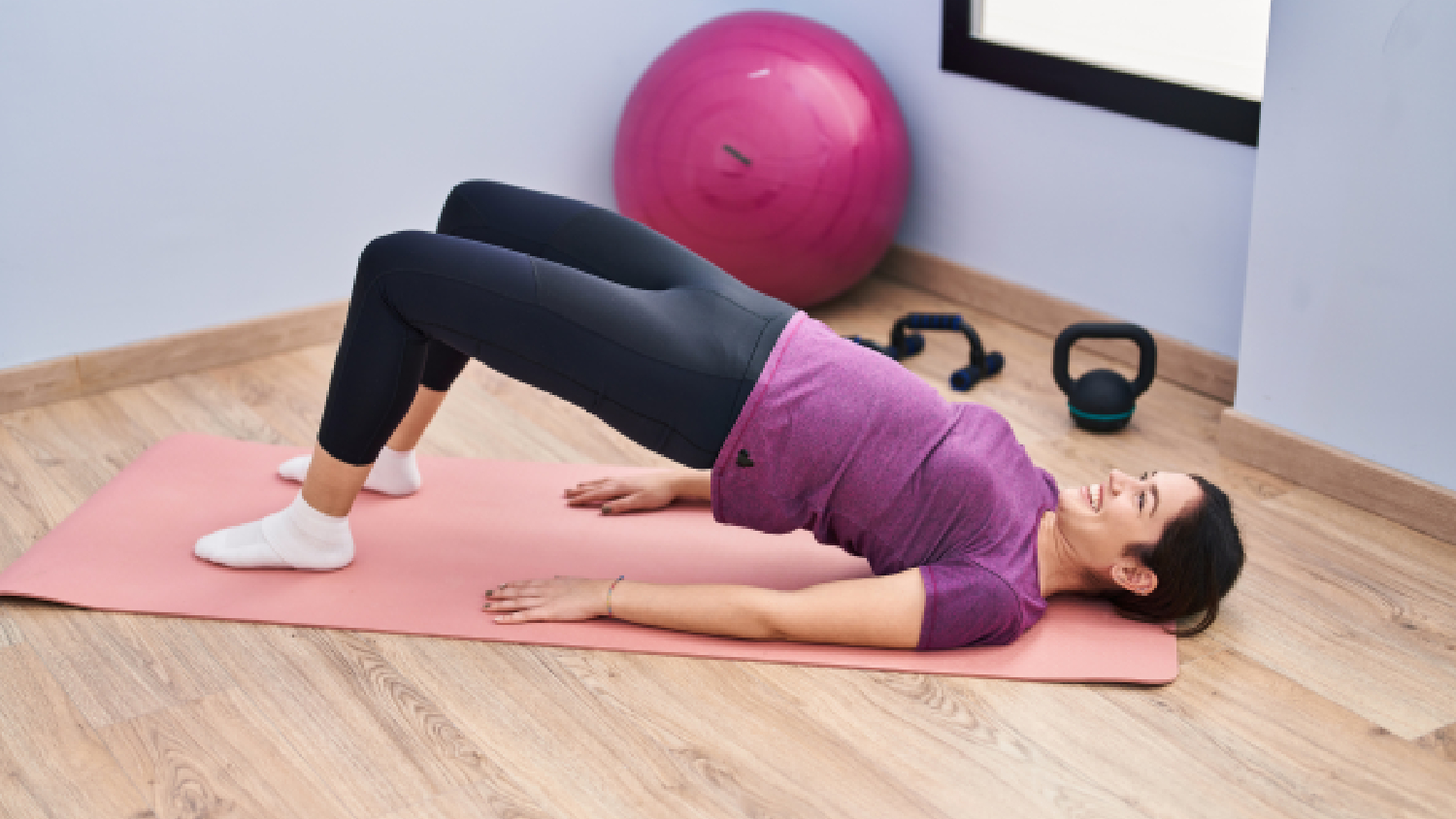
Specialized physiotherapy at Orthocure involves more than just Kegels. We train the “Deep Core Trio”: the breath, the pelvic floor, and the transversus abdominis. We teach you how to coordinate your breathing with movement so that you don’t “brace” incorrectly and push pressure down onto a weak floor. This coordination is the “secret sauce” for preventing disc herniations during heavy lifting.
The Strength Studio- Managing Intra-Abdominal Pressure
In our Strength Studio , we use MedX technology to build the surrounding musculature while teaching pressure management. We ensure that as you get stronger, you aren’t sacrificing your pelvic foundation. By building a “muscular corset” that includes the pelvic floor, we provide a level of back pain relief that traditional gym routines simply cannot match.
Partnering with Orthocure for Comprehensive Core Health
True core strength is an inside-out process. Our services at Orthocure Clinics and Strength Studios are designed to address every layer of your stability, from the pelvic floor to the spine. By combining specialized physiotherapy with medical-grade strengthening, we help you build a foundation that lasts. Partner with Orthocure today and discover what a truly stable core feels like.
FAQs
Can a weak pelvic floor really cause lower back pain?
Yes. The pelvic floor is the base of your core’s stability system. If it fails to support the bottom of the “canister,” the pressure is forced onto the lumbar spine and discs. Strengthening this foundation in a Medical Gym is often the missing link in back pain relief .
I’ve had children and have back pain. Is it related?
It is very common. Pregnancy and childbirth can stretch or weaken the pelvic floor, leading to SI joint instability and chronic back issues. Our specialized physiotherapy is designed to help postpartum patients safely rebuild this foundation and protect their spines.
Is "bracing" my abs the same as activating my pelvic floor?
Not necessarily. Many people “brace” by pushing their breath down, which actually strains the pelvic floor. We teach a “lift and squeeze” technique that integrates with your breath, ensuring you support your spine without damaging your foundation in the Strength Studio .
How does structural correction help the pelvic floor?
If your pelvis is tilted, the pelvic floor muscles are pulled out of alignment and cannot contract properly. Structural correction realigns the bones of the pelvis, allowing the muscles to function at their mechanical best.
Are these exercises just for women?
Absolutely not. Men also have a pelvic floor, and it is equally important for their spinal stability. Men who do heavy lifting or suffer from chronic “mystery” lower back pain often find significant relief through the foundation training offered in our specialized physiotherapy programs.