
Synopsis
Age-related changes in the spine are a common cause of chronic discomfort, but they do not have to dictate your quality of life. This guide explores the complexities of degenerative issues in the cervical and lumbar regions, focusing on how wear-and-tear affects the discs and joints of the neck and lower back. We detail why special exercises and therapy techniques are essential for managing symptoms like stiffness and nerve pain while effectively slowing the progression of the condition. Understanding the mechanical nature of cervical and lumbar degeneration is the first step toward choosing a non-surgical pathway to health. We explore the role of specialized spinal physiotherapy in maintaining joint space and rebuilding muscle support. Finding a dedicated spine specialist physical therapy provider ensures that your treatment plan is structurally focused. Consistent application of these advanced protocols provides a durable solution for spinal resilience. Expert management of degenerative issues in the cervical and lumbar regions preserves functional independence. Utilizing targeted special exercises and therapy techniques minimizes the need for invasive procedures. Meticulous cervical and lumbar spine care is the cornerstone of long-term spinal wellness.
Table of Contents
- The Nature of Spinal Wear: Cervical and Lumbar Regions
- Common Symptoms of Spinal Degeneration
- The Goal of Therapy: Symptom Management and Slowing Progression
- Specialized Manual Techniques for Degenerative Discs
- Special Exercises and Therapy Techniques for Core and Neck Stability
- The Importance of Structural Correction in Degenerative Cases
- The Orthocure Advantage: Technology-Driven Spinal Care
- Partnering with Orthocure for a Resilient Spine
The Nature of Spinal Wear: Cervical and Lumbar Regions
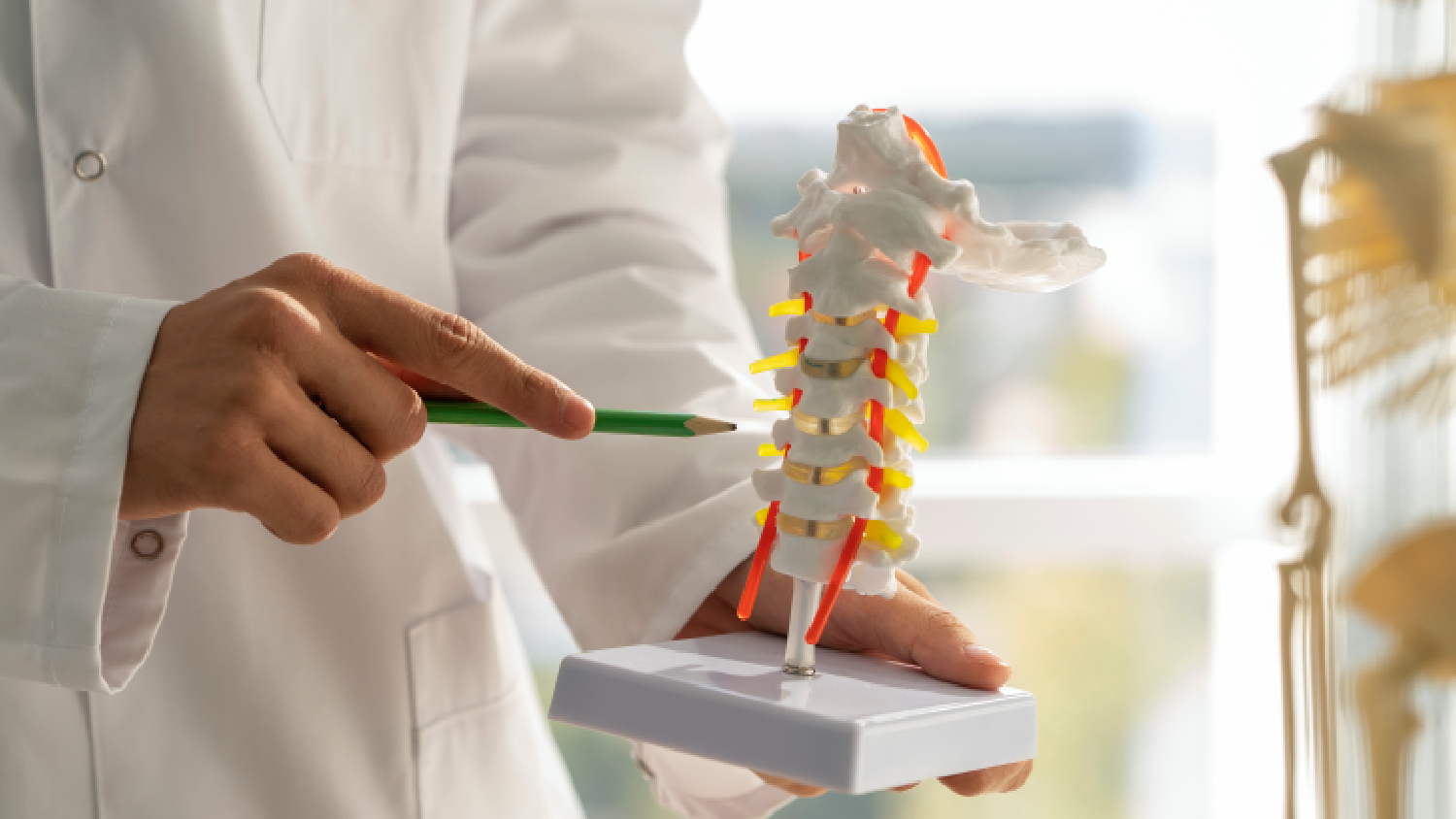
The cervical (neck) and lumbar (lower back) regions are the most mobile segments of the spine, making them highly susceptible to degenerative issues in the cervical and lumbar regions . Over time, the intervertebral discs—the spine’s natural shock absorbers—lose hydration and height. This process, often called Degenerative Disc Disease (DDD), can lead to bone-on-bone friction, the development of bone spurs (osteophytes), and a narrowing of the spinal canal (stenosis). While these changes are a natural part of aging, they become problematic when they result in pain or neurological symptoms. Addressing these changes requires a shift toward specialized spinal physiotherapy.
Common Symptoms of Spinal Degeneration
Degeneration often manifests as chronic, nagging pain that is worse after periods of inactivity. In the cervical region, this can cause neck stiffness, tension headaches, and radiating pain or numbness into the arms. In the lumbar region, degenerative issues typically cause lower back aches, “heavy” legs, and sciatica. These symptoms occur because the reduced disc height and bone spurs place pressure on the surrounding nerves and ligaments. Recognizing these early signs is crucial for initiating a program of special exercises and therapy techniques before the functional limitations become severe.
The Goal of Therapy: Symptom Management and Slowing Progression
While structural changes like bone spurs cannot be “undone” without surgery, the primary goal of therapy is effective symptom management and slowing progression . This is achieved by optimizing the mechanics of the spine to reduce the load on the compromised segments. By improving joint mobility and rebuilding the strength of the supporting muscles, physical therapy helps maintain the space between vertebrae. This proactive approach prevents the rapid acceleration of wear-and-tear, allowing individuals with cervical and lumbar degeneration to lead active, high-quality lives without constant reliance on pain medication.
Specialized Manual Techniques for Degenerative Discs
Managing degenerative issues in the cervical and lumbar regions requires advanced manual therapy. Techniques such as gentle joint mobilization and non-surgical spinal decompression are used to alleviate pressure on compressed discs and nerves. This manual intervention helps restore “joint play” and improves the circulation of fluids within the spine, which is essential for joint health. Unlike generic massage, these techniques are applied with clinical precision by a spine specialist physical therapy practitioner, ensuring they are safe for arthritic or degenerative joints.
Special Exercises and Therapy Techniques for Core and Neck Stability
The hallmark of a successful recovery is the implementation of special exercises and therapy techniques tailored to the patient’s specific degenerative pattern. For the neck, this involves isometric strengthening of the deep cervical flexors to support the head’s weight. For the lower back, the focus is on “dynamic lumbar stabilization,” training the deep core muscles to act as a protective corset for the spine. These are not standard gym exercises; they are low-impact, highly specific movements designed to build endurance in the muscles that provide structural support to the vertebrae.
The Importance of Structural Correction in Degenerative Cases
In degenerative cases, the body often adopts compensatory postures to avoid pain, which unfortunately leads to more wear-and-tear on other joints. Structural correction is the process of identifying these faulty patterns and realigning the spine through targeted therapy. By correcting a “flat back” or an excessive neck curve, the therapist ensures that the mechanical forces of gravity and movement are distributed evenly. This holistic view of the kinetic chain is what makes spine specialist physical therapy effective for long-term health, as it stops the “domino effect” of spinal degeneration.
The Orthocure Advantage: Technology-Driven Spinal Care
ORTHOCURE CLINICS AND GYMS specializes in the non-surgical management of degenerative issues in the cervical and lumbar regions . Our 4 Point Protocol integrates advanced medical diagnostics with our commitment to Structural Correction . We utilize the globally acclaimed MedX, USA technology , which is specifically designed to isolate and strengthen the deep muscles of the spine that traditional exercises often miss. This data-driven approach allows us to objectively measure your progress and provide the most effective special exercises and therapy techniques for a durable and resilient spine.
Partnering with Orthocure for a Resilient Spine
The services offered by ORTHOCURE CLINICS AND GYMS provide a definitive pathway for those facing spinal wear. We deliver expert specialized spinal physiotherapy and advanced protocols for managing cervical and lumbar degeneration. Our ultimate USP is our focus on fixing the root mechanical cause of your discomfort through integrated, evidence-based care. By partnering with us, you gain a dedicated team focused on maintaining your mobility and protecting your spinal health for the long term.
FAQs
Can special exercises and therapy techniques really slow spinal degeneration?
Yes, special exercises and therapy techniques are highly effective at slowing spinal degeneration. While they cannot replace lost cartilage, they build the strength and endurance of the deep stabilizing muscles. This creates a “muscular brace” that absorbs the shock and pressure of daily movement, reducing the mechanical stress on the vertebrae and discs. By improving spinal alignment and mobility, these techniques prevent the accelerated wear-and-tear that occurs when the spine is unsupported.
What are the signs of degenerative issues in the cervical region versus the lumbar region?
Degenerative issues in the cervical region typically manifest as neck stiffness, headaches at the base of the skull, and pain or “pins and needles” radiating into the shoulders and arms. In contrast, lumbar degeneration often presents as a deep ache in the lower back, difficulty standing for long periods, and sciatic pain that travels down the leg. Both regions require a specialized diagnostic approach to determine the extent of disc or joint involvement before starting specialized spinal physiotherapy .
Is specialized spinal physiotherapy safe for seniors with advanced wear-and-tear?
Absolutely. Specialized spinal physiotherapy is specifically designed to be low-impact and safe for all ages, including seniors with advanced degeneration. A spine specialist physical therapy practitioner uses gentle manual techniques and controlled exercises that do not put excessive strain on the joints. The goal is to improve function and reduce pain within a safe, clinical environment, often utilizing specialized equipment that isolates muscles without requiring high-impact movement.
How does Orthocure's MedX technology help with degenerative issues?
The MedX technology used at Orthocure is vital for managing degenerative issues in the cervical and lumbar regions because it provides “spinal isolation.” Standard gym exercises often allow larger, stronger muscles (like the glutes or lats) to take over, leaving the weak, deep spinal muscles untreated. MedX restrains these compensatory muscles, forcing the deep spinal stabilizers to work. This provides a targeted strengthening effect that is essential for providing structural support to a degenerative spine.
Why is structural correction important for managing symptoms of spinal wear?
Structural correction is important because spinal wear is often caused or accelerated by poor alignment. If your head is too far forward or your pelvis is tilted, it places uneven pressure on the discs. By realigning the skeletal framework, you ensure that weight is distributed evenly across the spinal segments. This reduction in localized stress is the most effective way to manage the symptoms of arthritis and degeneration long-term, preventing one worn joint from causing a “chain reaction” of pain throughout the body.