
Synopsis
While many fitness enthusiasts focus on the visible “six-pack” muscles, true spinal health depends on the deep, internal stabilizers that remain invisible to the naked eye. This guide explores why traditional abdominal crunches often fail to protect the back and why spinal physiotherapy must target the multifidus muscle to be effective. We detail the functional difference between “surface” strength and true core stability, explaining how MedX Lumbar Extension technology provides the necessary isolation for these deep tissues. By shifting toward a Medical Gym approach, patients can build an internal support system that prevents injury and chronic pain. Understanding the role of the deep core is the first step toward long-term spinal stability. Consistent training of these hidden stabilizers in a Strength Studio environment ensures a resilient and powerful spine.
Table of Contents
- The Core Myth- Why Visible Abs Don't Equal a Strong Back
- Meet the Multifidus- The Guardian of Your Vertebrae
- Core Stability vs. Strength- Understanding the Difference
- Why Traditional Gym Exercises Miss the Deep Stabilizers
- Spinal Physiotherapy- The Path to Deep Muscle Activation
- MedX Lumbar Extension- Clinical Isolation of the Spine
- The Medical Gym Approach- Building Your Internal Support
- Partnering with Orthocure for Total Spinal Integrity
The Core Myth- Why Visible Abs Don't Equal a Strong Back
A common misconception in fitness is that a “six-pack” (the rectus abdominis) provides the necessary support for the spine. In reality, these superficial muscles are designed for trunk flexion, not for stabilizing the individual segments of the vertebrae. Many individuals with highly visible abdominal muscles still suffer from chronic back pain because their deep stabilizers have atrophied. At our Strength Studio, we focus on the muscles you cannot see, as they are the true protectors of your spinal health.
Meet the Multifidus- The Guardian of Your Vertebrae
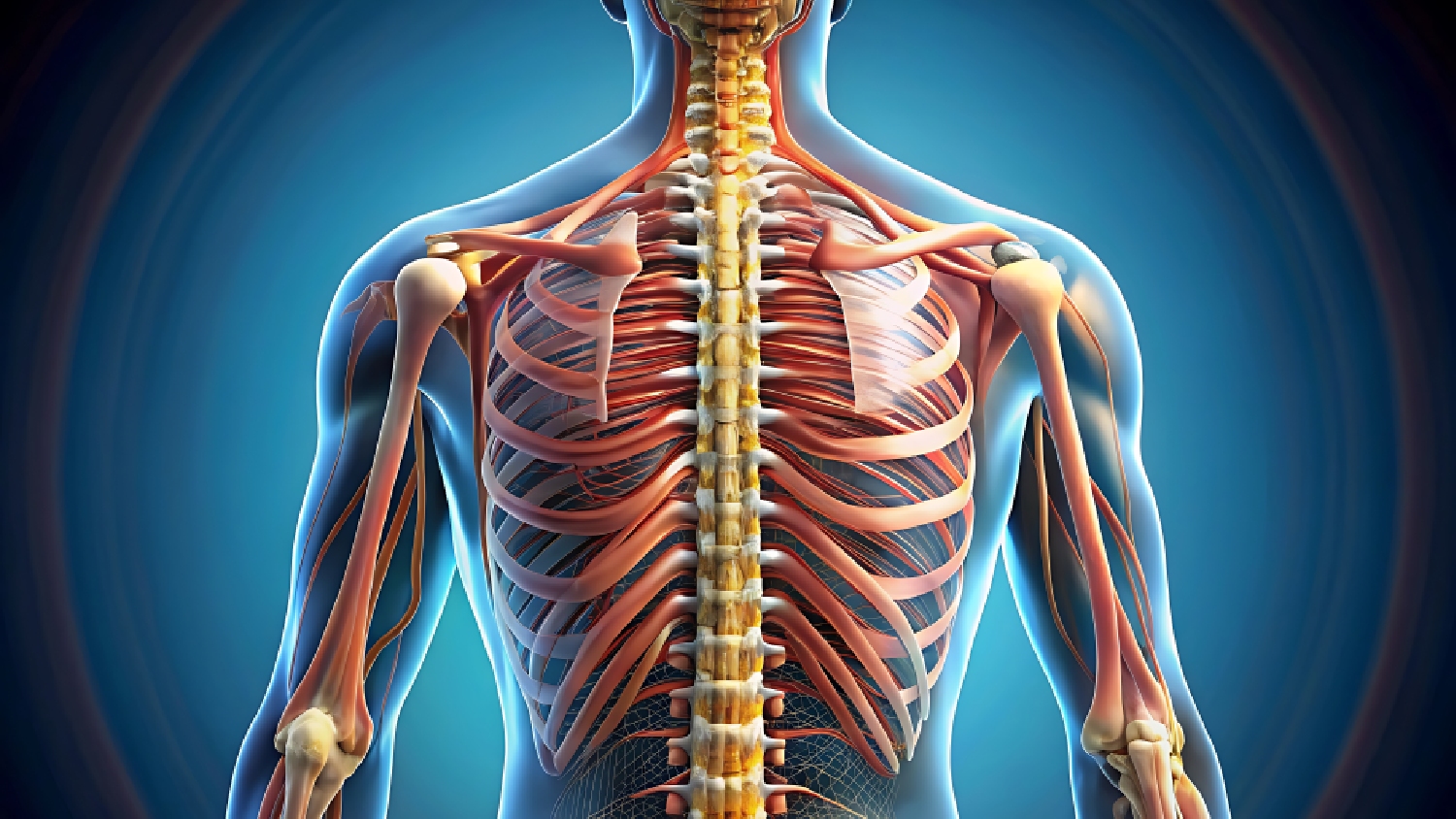
The multifidus muscle is a series of small, powerful muscle bundles that connect the vertebrae to one another. It acts as a primary stabilizer, making micro-adjustments to keep the spine aligned during movement. When the multifidus is weak, the spinal discs are subjected to uneven pressure, leading to bulges and degeneration. Spinal physiotherapy at Orthocure emphasizes the “re-booting” of this muscle to provide a solid foundation for the rest of the body.
Core Stability vs. Strength- Understanding the Difference
It is essential to distinguish between core stability and core strength. Strength is the ability to move a heavy load, whereas core stability is the ability to maintain a neutral spine while the limbs are moving. In a Medical Gym setting, we prioritize stability first. By training the deep stabilizers like the transversus abdominis and multifidus, we ensure your spine is “braced” from the inside out, allowing for safer and more powerful movement in daily life.
Why Traditional Gym Exercises Miss the Deep Stabilizers
Most commercial gym equipment and exercises like planks or sit-ups engage the “global” muscles. When these large muscles take over, the deep stabilizers often remain inactive—a phenomenon known as muscle compensation. This is why traditional workouts often fail to resolve back pain. Our Strength Studio environment uses specialized protocols to “silence” the global muscles, forcing the deep stabilizers to engage and strengthen.
Spinal Physiotherapy- The Path to Deep Muscle Activation
Effective spinal physiotherapy involves neuro-muscular re-education. Our specialists use tactile cues and specific breathing techniques to help patients “find” their deep core. Once these muscles are active, we progress to clinical loading. This transition from simple activation to functional resistance is what builds a durable spine and prevents the recurrence of injury.
MedX Lumbar Extension- Clinical Isolation of the Spine
The MedX Lumbar Extension machine is a cornerstone of our Medical Gym technology. It features a unique restraint system that locks the pelvis, preventing the glutes and hamstrings from assisting the movement. This provides 100% isolation of the lumbar extensors and the multifidus muscle. By objectively measuring your strength through this technology, we can ensure that your spinal stability is being built on a foundation of measurable, clinical progress.
The Medical Gym Approach- Building Your Internal Support
Choosing a Medical Gym over a standard fitness center means choosing precision. Our Strength Studio protocols are designed by medical professionals to target the specific weaknesses that lead to spinal instability. By building your internal support system through data-driven resistance training, we provide a non-surgical solution for back pain that lasts a lifetime.
Partnering with Orthocure for Total Spinal Integrity
True strength comes from the inside out. Our services at Orthocure Clinics and Strength Studios are dedicated to helping you move beyond superficial fitness toward total spinal integrity. By targeting the deep stabilizers and utilizing the most advanced technology in the field, we help you build a spine that is resilient, powerful, and pain-free. Partner with Orthocure and discover the difference of deep-tissue stability.
FAQs
Why is the multifidus muscle so important for back pain?
The multifidus muscle provides segmental stability to each vertebra. If it is weak, your spine lacks the support needed to handle daily loads, leading to disc compression and pain. Strengthening this muscle is a primary goal of spinal physiotherapy because it acts as the spine’s primary guardian.
Can I strengthen my deep core at a regular gym?
It is very difficult because regular gym exercises often allow larger muscles to compensate for weak stabilizers. A Medical Gym uses specialized equipment like MedX Lumbar Extension to isolate these deep tissues, ensuring they are actually being worked and strengthened.
What is the difference between core stability vs strength?
Core stability vs strength is the difference between protection and power. Stability is about the deep muscles keeping your spine safe during movement, while strength is about the outer muscles moving a load. You need both, but stability must come first to prevent injury.
How does MedX Lumbar Extension help with deep core strengthening?
The MedX Lumbar Extension machine uses a restraint system to eliminate the help of your legs and hips. This forces your deep back muscles to do all the work, providing the most effective method for deep core strengthening and spinal muscle isolation available today.
How long does it take to see results in a Strength Studio?
Most patients feel a sense of improved stability within 3-4 weeks of consistent training in a Medical Gym . However, significant muscle growth and long-term core stability typically require 8-12 weeks of clinical loading to ensure the results are durable.